The Eworld HP3624 flat glass tempering furnace processes clear float, tinted float and clear figured glass. The line combines loading, heating, flat-glass quenching and unloading. Its published glass thickness range is 4–19 mm, with a listed maximum loading size of 3600 × 2400 mm.
Send us your glass types, sheet dimensions, thickness mix and target output. We can review the loading pattern, furnace configuration and plant utilities for your production requirements.
Operators place the prepared sheets on the loading table and start the cycle from the operator station. The transfer system then feeds the glass into the heating chamber. Share your sheet sizes and loading pattern so we can review the space and handling needed at the infeed.
Heat Sheets on Ceramic Rollers
Silica ceramic rollers carry the glass through the heating section. The furnace brings the sheets to the temperature required for the tempering cycle. The heating settings depend on the glass type and thickness.
Quench, Cool and Unload the Glass
Heated sheets move into the flat quench section for rapid cooling. A high-pressure centrifugal blower supplies air through ducting and an air collector. The glass continues cooling before it reaches the unloading table, where operators remove it for inspection and packing.
The line also includes electrical control cabinets and an operator station. Ask for the equipment layout and utility drawings to confirm the ducting, pipework and controls included with your configuration.
HP3624 Glass Size, Output and Utility Requirements
Glass Size and Thickness
Parameter
Published Specification
Model
HP3624
Process
Flat glass tempering
Maximum loading size
3600 × 2400 mm
Minimum loading size
300 × 200 mm
Glass thickness
4–19 mm
Glass types listed
Clear float glass, tinted float glass and clear figured glass
Confirm the usable loading size at each thickness and for each glass type before setting the production plan.
Reference Output by Glass Thickness
Glass thickness
Reference loads per hour
4 mm
19
5 mm
15
6 mm
12
8 mm
10
10 mm
9
12 mm
7
15 mm
6
19 mm
4
The figures are reference loads per hour. To estimate pieces or square metres per hour, provide the number and dimensions of sheets in each load, together with your thickness mix.
Heating, Blower and Plant Utilities
Parameter
Published Specification
Heating power
518 kW
Main quench blower power
220 kW
Total power listed
758 kW
Transformer rating listed
630 kVA
Compressed air pressure listed
7 kg/cm²
Compressed air flow listed
0.8 m³/min
Request the electrical load schedule, transformer sizing basis, compressed-air specification and equipment layout for your quoted furnace before preparing the site.
Glass Preparation and Tempering Quality
Prepare Clear Float, Tinted Float and Figured Glass
Inspect incoming sheets for visible bubbles, inclusions and other defects. Prepare the edges and chamfers to the required finish, then wash and dry the glass before loading. Share your raw glass specifications and edge finish so we can review the acceptance conditions for a trial run.
Agree on Finished-Glass Acceptance Criteria
Define the required glass standard and inspection method before ordering. Include your requirements for stress uniformity, optical distortion and edge appearance. If a production trial is part of acceptance, agree on the sample sizes, thicknesses, loading pattern and measurement method in advance.
Review the Furnace Configuration for Your Glass
Eworld’s furnace range includes radiation and forced-convection equipment. Share the types and sizes of glass you process and the output you need so we can identify the heating and quenching configuration to quote.
Furnace Delivery, Installation and FAQs
Export Packing and Site Access
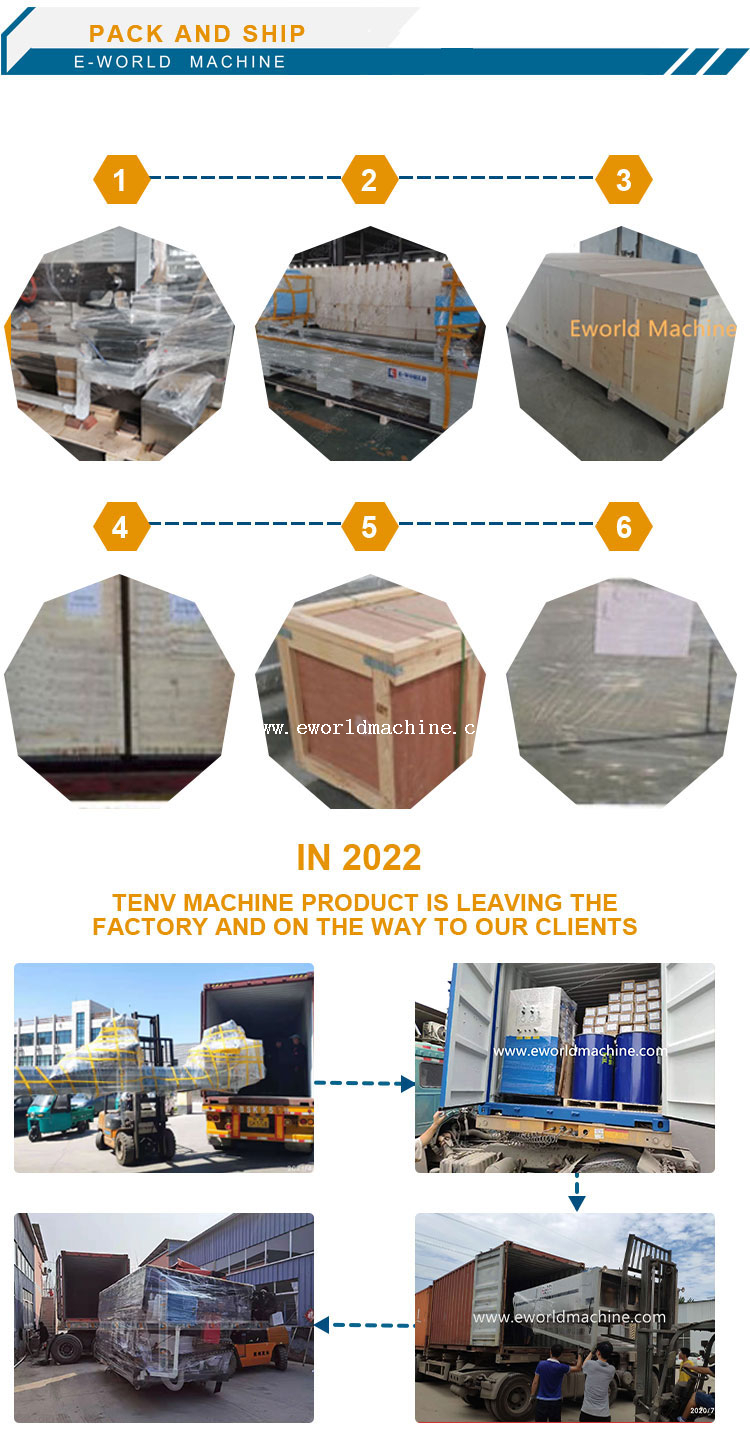
Ask us to confirm the packing method, shipping dimensions and gross weights for the furnace sections, blower and control cabinets. Share the site access route and unloading facilities so the installation team can review how each section will reach its final position.
Installation, Operator Training and Support
We can discuss engineer-assisted installation, adjustment and operator training. Our service information lists English manuals, video tutorials, remote technical support and consumable parts supply. Confirm the commissioning scope, responsibilities and warranty terms in the quotation.
Frequently Asked Questions
What Glass Types and Thicknesses Can the HP3624 Temper?
The published range is 4–19 mm, and the listed glass types are clear float, tinted float and clear figured glass. Send your glass specifications so we can confirm the process for each type and thickness.
What Are the Largest and Smallest Listed Glass Sizes?
The published maximum loading size is 3600 × 2400 mm, and the minimum is 300 × 200 mm. Provide your full sheet size range so we can confirm the usable dimensions at each thickness.
How Many Loads per Hour Can the HP3624 Process?
The reference table lists 19 loads per hour for 4 mm, 12 for 6 mm and 4 for 19 mm. Send your loading pattern and glass mix so we can review the expected output in pieces or square metres per hour.
What Electrical and Compressed-Air Supplies Are Required?
The listing gives 518 kW heating power, 220 kW blower power and 758 kW total power, with a 630 kVA transformer listed separately. It also lists 7 kg/cm² air pressure and 0.8 m³/min airflow. Ask us for the approved utility schedule for the quoted configuration.
What Should I Include in a Furnace Quote Request?
Send your glass types, dimensions, thickness mix, output target, plant layout, power supply and destination. Include your required glass standard and acceptance tests so we can discuss equipment scope, installation, lead time, payment and warranty in the quotation.