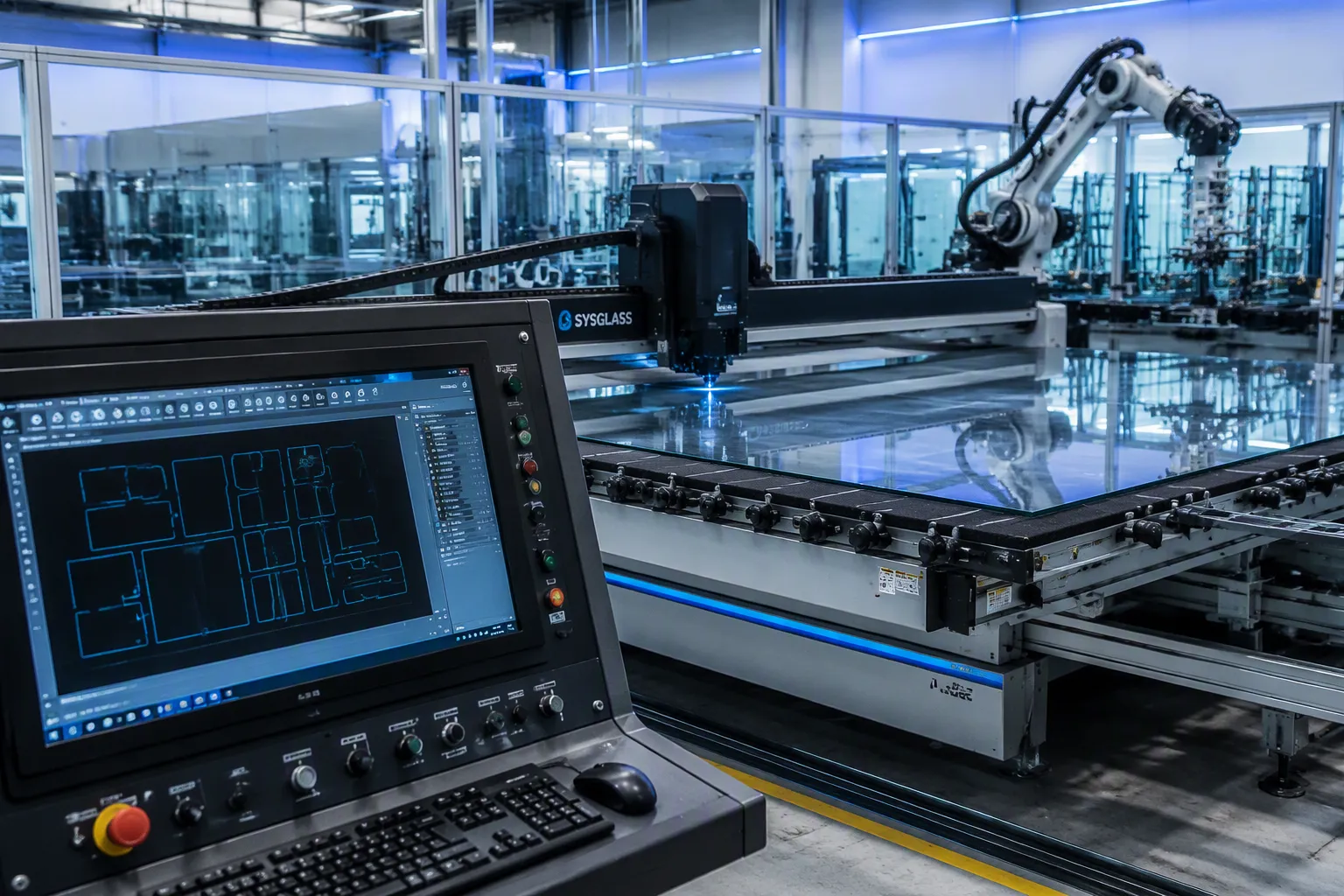
Choosing the right glass processing equipment is hard. Do you need a simple hand tool or a fully automated line? It depends on your scale, precision needs, and budget. The industry has many solutions, from basic manual tools to advanced CNC and laser systems.
The market shows this variety. In 2024, the global glass cutting machine market reached USD 1.7 billion. Experts expect a compound annual growth rate of 7.3% by 2030. This growth means more opportunities for fabricators like you.
This guide helps you navigate the range of options. You will learn to identify the kind of need you have before you explore technical details. Understanding what you require first makes the selection process clearer and more manageable.
Key Takeaways
Glass cutting machines come in many types, from hand tools to fully automatic CNC systems.
Manual tools are good for small jobs, but they need skill and cause more waste.
Semi-automatic machines give growing shops a good mix of price and speed.
Fully automatic CNC machines provide great accuracy and can handle large amounts of work.
Water jet and laser cutters are used for special jobs, like cutting thick or thin glass.
Pick a machine that fits how much you cut, how exact you need it, and what you can spend.
Think about all the costs, like upkeep and training, not only the purchase price.
Before picking a machine, you must know the main groups available. The glass industry offers many types of glass cutting machines. Each one fits different production needs. These groups go from simple hand tools to fully automated lines. Knowing this range helps you pick the right equipment for your business goals.
The Spectrum of Automation
Manual to Fully Automatic
The three main groups form a clear path. Manual, semi-automatic, and fully automatic each move up the automation ladder. More automation means more output but also more cost.
Manual cutting uses handheld tools and the worker's skill. You use a simple scorer to mark the glass, then break it along that line. This method needs experience and steady hands. It works well for small repairs, hobby projects, or single pieces. But it has clear limits. Efficiency stays low. Precision depends fully on the worker. Material waste tends to be high because people make errors.
Semi-automatic machines sit between manual and full automation. You load the glass by hand, but a CNC system controls the cutting path. The machine scores with high accuracy based on digital input. You then handle the breaking step. This method reaches tolerances of ±0.1 mm. It suits low to mid volume production. It also offers good flexibility for prototypes and custom work.
A fully automatic CNC glass cutting machine sits at the top of the automation range. This system handles the whole process. It manages loading, scoring, breaking, and racking. You never touch the glass during processing. The machine keeps a steady tolerance of ±0.2 mm. This tolerance is slightly wider than semi-automatic systems. But the machine runs nonstop for 24-hour high-volume production.
The table below compares key features between semi-automatic and fully automatic CNC cutting:
Parameter
Semi-Automatic CNC Cutting
Fully Automatic CNC Cutting
Optimal Glass Thickness
≤ 3.0 mm
≥ 3.0 mm
Process Automation
CNC Scoring with Manual Loading and Breakout
Fully Integrated Automatic Loading, CCD Vision Scoring, and Breakout
Initial Cutting Tolerance
±0.1 mm
±0.2 mm
Production Suitability
R&D Prototypes, Low to Mid Volume, High Flexibility
High-Volume Mass Production, Continuous Automated Workflow
Beyond these three groups, special types of glass cutting machines exist for specific jobs. Water jet cutting uses a high-pressure stream of water mixed with abrasive particles. This cold cutting process works well for thick glass and laminated glass. Laser cutting systems use heat to score or cut thin glass. These methods offer unique benefits but cost more to run.
Key Selection Drivers
Several factors decide which group fits your work. The biggest factor is production volume. If you cut a few sheets per day, manual tools may work. If you process hundreds of sheets, you need automation. The second factor is precision needs. Projects for smart buildings or electric vehicles demand high accuracy. The third factor is budget. You must think about both upfront cost and long-term running costs.
Market trends in 2025 support these factors. The global market for automated glass cutting hit USD 615.2 million in 2025. Projections show it reaching USD 818.8 million by 2035. That is a compound annual growth rate of 3.2%. Among industry players, 69% name automation and digital integration as the top adoption factor. They point to AI precision cutting and IoT monitoring as key technologies. Also, 63% highlight material optimization and waste reduction as critical drivers.
Regional priorities also shape the choice. In North America, 74% of manufacturers want high precision for smart buildings and electric vehicles. In Europe, 67% focus on sustainability goals. In the Asia-Pacific region, 61% look for cost-effective solutions. A full 73% of manufacturers plan to invest in next-generation AI-integrated machines. These machines offer real-time monitoring and predictive maintenance.
Key technology trends in the industry include:
AI-driven predictive maintenance can cut material loss by up to 30%.
Companies training workers to work with AI see productivity gains of up to 40%.
Air floating cutting technology removes friction, boosting precision and lowering waste.
Advanced robotics and AI allow real-time adjustments based on glass type, reducing waste.
Sustainability pressure pushes companies toward energy-efficient air floating cutting methods.
The different techniques used in glass cutting show this range of needs. The glass cutting technique you choose depends on your specific production needs. The key is to match the machine type to your volume, precision needs, and budget.
This overview gives you a roadmap. The next sections explore each category in detail. You will learn about specific machines, their features, and their best uses.
Manual Glass Cutting Tools: The Starting Point
Manual glass cutting equipment is not industrial machinery. Yet it remains essential for hobbyists, small repair shops, and craftspeople. The process requires significant skill. You must score the glass with consistent pressure. Then you must break it cleanly along the scored line. The cost of entry is low. You can start with a basic handheld glass cutter for a modest investment. However, the labor intensity is high. Each piece demands careful attention and steady hands.
The Classic Hand-Held Scorer
Features and Usage
A handheld glass cutter features a small handle with a hardened carbide wheel at the tip. You roll this wheel across the glass surface to create a shallow score line. This score weakens the glass along that path. You then apply pressure to snap the glass apart. The technique requires practice. You need to maintain even pressure and a consistent speed. A good score produces a clean break with minimal chipping.
For a complete manual cutting system, the initial equipment cost ranges from $15,000 to $25,000. This system includes a cutting table, measuring guides, and a set of quality handheld glass cutters. Compare this to a semi-automatic system, which costs $120,000 to $180,000. The price difference is substantial. But you must weigh it against the production speed you need.
Ideal Applications and Limitations
The handheld glass cutter works best for small-scale work. You use it for repairing windows, cutting single pieces for craft projects, or making custom shapes. It suits jobs where you need only a few cuts per day. The main limitation is human error. Your skill level directly affects the cut quality. Each break carries a risk of chipping or cracking. Material waste tends to be higher with manual methods.
Straight-Line and Circle Cutters
Enhancing Accuracy for Small Shops
Straight-line cutters, also called strip cutters, help you create perfectly straight lines. You use them for cutting geometric patterns and uniform strips for fusing projects. A straight-line cutter rides along a guide rail or ruler. This ensures your cut stays parallel to the edge. Circle cutters serve a different purpose. They use a suction cup to anchor at the center of the glass. An adjustable arm with a cutting head rotates around this anchor. You score a flawless circle in one smooth motion. These tools expand what you can do in a small shop.
For straight cuts in window or mirror glass, a high-quality carbide wheel cutter is the recommended choice. Circle cutters enable precise circular shapes for decorative projects. These shapes are difficult to achieve with a standard handheld glass cutter.
Pros and Cons of Manual Operation
The biggest advantage of manual cutters is their low cost. You can equip a small workshop for a fraction of the price of an automated system. Manual cutters also offer flexibility. You can cut any shape without programming or setup time. The downside is the labor intensity. Each piece requires individual handling. Production speed stays low. The quality depends entirely on your skill. If you process more than a few sheets per day, manual tools become inefficient.
These types of glass cutting tools represent the entry point into glass processing. They suit businesses with low volume and high flexibility needs. When you explore the available glass cutting tools on the market, you find many choices. Each set of glass cutting tools serves a specific purpose. Many shops begin with handheld glass cutters and upgrade to larger systems as demand grows.
Semi-Automatic Glass Cutting Machines
Semi-automatic systems are a middle ground between doing everything by hand and using full automation. You place the glass sheet on the table yourself. After that, the machine follows a digital plan to make the cut. This takes away the hardest part of manual work: keeping your hand steady and scoring accurately. You still handle loading the glass and breaking it apart. But the machine controls the precision. This balance makes semi-automatic machines a good fit for small and medium-sized businesses. These companies need more speed than manual methods can offer. At the same time, they do not have enough volume to justify the cost of a fully automated CNC line.
Pneumatic Cutting Tables
How They Improve Efficiency
Pneumatic cutting tables use air to lift and support the glass. A thin cushion of air raises the sheet just above the table. This removes friction. You can move heavy glass sheets with little effort. The cutting head then follows a programmed route. It scores the glass with steady pressure and speed. You no longer guide the cutter by hand. The machine delivers the same quality cut every time.
The gain in efficiency is large. Look at the output comparison below:
Cutting Method
Output (pieces/hour)
Productivity Increase
Traditional manual
25
Baseline
Pneumatic/CNC automated (with air flotation)
180+
620%
This table shows a real-world comparison. A skilled worker using manual methods produces about 25 pieces per hour. A pneumatic table with air flotation reaches 180 pieces per hour or more. That is a 620% boost in productivity. You get this gain without hiring more workers. The same operator runs the machine. The air flotation system also lowers the chance of scratches. Glass sheets slide smoothly without rubbing against the table surface.
Typical Users and Production Volumes
Pneumatic cutting tables fit businesses that process dozens to hundreds of sheets each day. A typical user might be a glass shop that serves local contractors. They cut standard sizes for windows, mirrors, and tabletops. They need consistent quality across many pieces. They also need the flexibility to handle custom orders. A semi-automatic table provides both. You can set up a new cutting pattern in minutes. The machine then repeats it with dependable accuracy.
These tables also work well as a starting point for companies new to automated cutting. You learn the basics of digital cutting without the complexity of a full CNC system. Many fabricators begin with a pneumatic table. As their volume grows, they move up to fully automatic lines. The semi-automatic machine stays useful for smaller batches and specialty work.
Digital Measuring and Stop Systems
Reducing Human Error
Measuring by hand leads to mistakes. You read a tape measure, mark the glass, then cut. Each step carries a risk of reading wrong or lining up poorly. Digital measuring systems remove these risks. Sensors check the glass position automatically. Digital stop systems place the cutting head with high accuracy. You type the desired dimensions into a control panel. The machine positions itself precisely. This takes the guesswork out of cutting.
The result is fewer wasted sheets. You cut each piece right the first time. Scrap rates drop noticeably. Rework also goes down. You spend less time fixing errors and more time making finished pieces. For a small shop, this reduction in waste directly improves profit.
Cost vs. Benefit Analysis
A semi-automatic system costs more than manual glass cutting tools. The initial investment ranges from $120,000 to $180,000. Manual tools cost far less. But the comparison does not end at the purchase price. Think about labor costs. A semi-automatic machine lets one operator produce as much as several manual workers. You save on wages over time. Think about material costs. Fewer errors mean less wasted glass. Think about speed. Faster production means you can take on more orders. These benefits add up quickly.
The payback period depends on your volume. A shop cutting 100 sheets daily might recover the investment within two years. A shop cutting 20 sheets daily might need four years. You should run your own numbers. Compare your current labor costs and scrap rates against the machine's projected savings. Also factor in maintenance and training. Semi-automatic systems require less training than manual methods. The operator learns the control panel quickly. Maintenance stays manageable with regular service.
For many SMEs, semi-automatic machines offer the best balance of cost and capability. They close the gap between manual effort and full automation. They also prepare your team for future upgrades. When you eventually move to fully automatic systems, your operators already understand digital cutting principles. This makes the switch smoother.
Some manufacturers also offer semi-automatic laminated glass cutting machines. These specialized units handle the plastic interlayer found in laminated glass. They score the glass layers without damaging the PVB or EVA interlayer. This capability expands your service offerings without needing a full CNC investment.
The market offers many types of semi-automatic equipment. Each type of glass cutting tools serves a specific purpose. You can find pneumatic tables, digital measuring systems, and combination units. These tools help you compete well in a growing market. They deliver the precision your customers expect. They also provide the efficiency your business needs to succeed.
Fully Automatic CNC Glass Cutting Machines
Fully automatic CNC glass cutting machines are the best production technology. These systems handle everything from loading raw sheets to delivering finished pieces. You never touch the glass during processing. The machine manages scoring, breaking, and sorting without help from people. For high-volume fabricators, these machines completely change how they work.
The Power of Computer Numerical Control
Precision, Speed, and Repeatability
CNC systems achieve great accuracy through computer-guided movement. High-end models give micrometer-level cutting accuracy. This precision stays within the micron range consistently. Edge roughness reaches sub-micron levels. That means surfaces finish finer than 1 micron. The focused cutting spot measures less than 2 microns across. Repeat positioning accuracy holds at ±2 microns. These numbers mean every piece matches the last one exactly.
Speed adds to this precision. A CNC machine cuts continuously without getting tired. It keeps the same quality at hour eight as at minute one. Manual methods cannot match this consistency. Each automated cycle produces identical results. This repeatability is key for projects needing many matching pieces. Architectural glass panels, automotive windows, and display cases all require this uniformity.
Software Integration and Design Capabilities
CAD/CAM software unlocks the machine's full potential. Integrated modeling mixes 3D design with manufacturing instructions. You can change a design without rewriting from scratch. This flexibility is critical when developing complex shapes through many tries.
The software supports multi-axis machining. This capability creates intricate glass shapes that manual methods cannot achieve. Surface modeling tools create organic, curved shapes. Parametric design lets you adjust dimensions instantly. Nesting features arrange parts efficiently on each sheet. This optimization cuts waste and uses material best. Feature-based machining automatically checks part characteristics. The system then designs good cutting strategies for complex patterns.
The workflow connects design directly to production. Complex architectural drawings turn into machine instructions smoothly. This change minimizes errors and shortens lead times. Virtual simulation lets you test manufacturability before cutting begins. You find problems in the digital stage, not on the shop floor.
Laminated Glass Cutting Machines
Specifics for Multi-Layer Glass
Laminated glass poses unique challenges. The plastic interlayer, either PVB or EVA, sits between glass layers. Standard scoring techniques damage this interlayer. Dedicated laminated glass cutting machines fix this problem directly. These specialized units score each glass layer without cutting through the plastic. The machine then separates the glass while keeping the interlayer intact.
Different types of laminated glass cutting machines exist for various production scales. You might start with manual laminated glass cutting machines for small jobs. Growing operations often upgrade to semi-automatic versions. Large facilities invest in fully automatic laminated glass cutting machines. Each type of glass cutting machines serves a specific production tier.
CNC vs. Manual Methods for Laminated Glass
The cost difference between methods is big. Look at this comparison:
Method
Cost Range
Typical Use Case
Manual cutting table
$800–$3,000
Low-volume repairs, startups
Semi-automatic machine
$3,000–$8,000
Growing shops, local glaziers
Full CNC system
$15,000–$100,000+
Industrial high-output facilities
While CNC machines cost more upfront, they lower labor and waste. They also improve throughput a lot. You must evaluate total ownership costs. This includes energy use, maintenance, tool life, and material savings from layout optimization software. The purchase price tells only part of the story. Long-term operational savings often justify the higher investment.
Loading and Unloading Automation
Integrating with Production Lines
Automated loading and unloading systems connect your cutting machine to the wider production line. Robotic arms place raw glass sheets onto the cutting table. After cutting, automated systems remove finished pieces. These systems connect smoothly with washing machines and edging lines. The whole process flows without manual handling. This integration creates a continuous production stream from raw material to finished product.
Reducing Labor Costs
Labor savings from automation are big. Companies using these systems typically see a 50%–70% reduction in labor costs. This benchmark applies to automated material handling across production lines.
Optimization tip: Avoid underestimating labor cost savings—automation can reduce workforce by 50% or more in glass production lines, including those with loading/unloading robots and CNC controls.
These advanced glass cutting systems pay for themselves through lower payroll. You also get consistency. Automated handling removes the risk of damage from human error. Glass sheets move smoothly without scratches or chips. Leading manufacturers, such as Eworld Machine, offer CNC systems customized for specific glass types and production scales. These tools represent the future of glass fabrication.
Specialized Glass Cutting Machines
These machines work differently from regular mechanical scoring. Water jet systems mix abrasive particles with high-pressure water. Laser systems use heat to cut or score glass. You pick these technologies for special jobs. Regular methods fail when you need complex shapes, hardened glass, or very thick materials. The downside is higher running costs. You pay more for what these machines can do. These specialized tools cost extra but offer abilities that standard equipment cannot provide.
Water Jet Cutting Technology
The Cold Cutting Process
Water jet cutting pushes water through a tiny nozzle at very high pressure. You can add abrasive particles like garnet to cut harder materials. The process creates no heat while cutting. This cold cutting method stops thermal stress in the glass. You avoid micro-cracks and edge damage that heat-based methods cause. The water jet stream cuts through glass smoothly without changing its properties. Water jet machines use a pump to create pressure that pushes the stream through the nozzle at high speed.
An abrasive waterjet machine can cut through up to 12 inches of most hard materials. That includes glass, metal alloys, ceramics, and composites. For glass specifically, you can handle thick sheets that regular scoring cannot manage. The process also handles complex shapes easily. You can cut detailed patterns, gentle curves, and tight corners without losing precision.
Applications for Thick and Laminated Glass
Water jet technology shines in industries that need complex shapes and fine details. In architecture, you create glass panels for facades, windows, and doors. The automotive industry uses water jets for windshields, side windows, and sunroofs. Aerospace applications include aircraft windows and interior parts. Interior designers use this technology for countertops, tabletops, and decorative pieces. Artists create sculptures and custom designs that would be impossible with hand tools.
For cutting laminated glass, water jet machines offer a clear benefit. The cold cutting process does not melt or harm the plastic interlayer. You can cut through multiple glass layers and the PVB or EVA interlayer in one pass. This makes water jet a great choice for safety glass applications. Traditional laminated glass cutting machines use mechanical scoring and need separate breaking steps. Water jet removes those steps completely. You get a finished edge straight from the cutting process. The different types of water jet systems available range from small workshop units to large industrial systems for high-volume production.
Laser Cutting Systems
Precision for Thin Glass
Laser cutting machines use a focused beam of light to cut or score glass. The heat energy vaporizes the material along the cut path. This non-contact process removes mechanical stress on the glass. You lower the risk of breakage significantly. Laser systems produce highly accurate cuts. They handle complex patterns and detailed designs that manual methods cannot achieve. Laser cutting machines deliver consistent results across repeated production runs.
The precision of laser cutting makes it perfect for thin glass applications. In electronics, you cut substrates for displays and cell phone touchscreens. The narrow kerf width lets you create tight spaces between cut pieces. You get the most material use from each sheet. The repeatability of laser systems ensures every piece matches the next one exactly. This consistency is vital for mass production of electronic parts.
Limitations and Specific Use Cases
Laser cutting machines have clear limits. The heat process can cause edge stress in thicker glass. You usually limit laser cutting to glass under a few millimeters thick. The running costs are higher than mechanical methods. You need special equipment and trained operators to run laser systems safely. Standard laminated glass cutting machines cannot use laser technology for multi-layer glass because of the plastic interlayer.
The specific use cases for laser technology focus on precision and complexity. You use laser cutting for custom designs in art and decoration. The technology creates stained glass artworks and glass sculptures with fine details. In furniture production, you cut decorative elements and detailed patterns. The technology sector relies on laser cutting for smartphone screens, tablet displays, and television panels. These applications demand the accuracy that only laser systems can provide.
The two glass cutting techniques serve different needs. Water jet handles thick glass and complex shapes without heat damage. Laser excels at precision for thin glass and detailed patterns. Your choice depends on your specific production needs and material types.
How to Choose the Right Glass Cutting Machine
Choosing the right equipment starts with knowing what you need. Make a simple decision chart by rating three factors from 1 to 10. A score of 1 means it matters little. A score of 10 means it matters a lot.
Factor
Your Score (1-10)
Low Score (1-3)
High Score (8-10)
Production Volume
___
Fewer than 10 sheets per day
50 or more sheets per day
Precision Requirement
___
Standard tolerances accepted
Micron-level accuracy needed
Budget Sensitivity
___
Initial cost is main concern
Long-term ROI is primary focus
Now look at your scores. If volume and precision both score high, you need a fully automatic CNC machine. If volume is low, manual or semi-automatic glass cutting tools save money. If precision is high but volume is low, semi-automatic systems offer a good middle ground. This guide stops you from spending too much or buying too little.
Evaluating Production Needs
Volume, Throughput, and Labor Costs
Count your weekly cutting jobs first. Under 10 units per week, manual or semi-automatic CNC works fine. You can manage with basic tools and one or two skilled workers. For 10 to 50 units per week, a full CNC system makes sense. Above 50 units, you need automation to meet demand.
Labor costs change the picture a lot. A manual setup needs several workers to match one automated system. Figure out your current labor cost per sheet. Then compare it to the cost of running a machine. Many fabricators find that automation pays for itself within two years through labor savings alone.
Test your software workflow before you buy a machine. Load a custom shape file into the system. If creating a verified toolpath takes more than 15 minutes, the system may be too slow for your needs. A fast, easy-to-use software interface saves time every day on every job.
Glass Types and Thickness Compatibility
Map your material mix before you pick a machine. Standard float glass cuts well on most equipment. But laminated glass needs special handling. You need dedicated laminated glass cutting machines to process the plastic interlayer. These machines score each glass layer without harming the PVB or EVA film.
If you work with thick glass or complex shapes, think about water jet machines. They cut through thick sheets without heat stress. For thin glass and detailed patterns, laser cutting machines give the best precision. Matching the machine to your material mix prevents costly mistakes and wasted sheets. Always ask for test-cut videos on your specific glass types to confirm compatibility.
Balancing Precision, Speed, and Budget
Initial Investment vs. Long-Term Operational Costs
The purchase price tells only part of the story. You must figure out the total cost of ownership. This includes maintenance, consumables, training, and downtime.
For a CNC system, plan for diamond bits at $85 to $120 per unit. Coolant filters cost about $220 per year. Annual calibration runs $1,200 to $1,800. These costs add up. But they are small compared to wasted material from manual errors. A single broken sheet of expensive glass can cost more than a year of filter replacements.
Do not forget maintenance downtime. Every hour your machine sits idle costs you money. Put scheduled maintenance into your production calendar. Choose a machine with easily available parts to cut wait times.
The Importance of After-Sales Support and Training
A machine is only as good as the support behind it. Look for a manufacturer that offers installation, training, and ongoing technical support. Your operators need to learn the system properly. Rushed training leads to mistakes and downtime.
Ask about spare parts availability. A machine that sits idle waiting for a part costs you money every day. Choose a supplier with a local service network or fast shipping options. The best glass cutting machine in the world is useless if you cannot keep it running.
Also think about the learning curve for your team. Some systems need weeks of training. Others let operators become productive in days. Factor this time into your choice. The sooner your team can run the machine on their own, the faster you see a return on your investment.
For specialized jobs like laminated glass, choose a manufacturer with proven experience. Reliable laminated glass cutting machines come from companies that understand the unique challenges of multi-layer glass. They provide the right tooling and setup guidance from day one.
Your final choice should balance all these factors. Use the scoring chart to guide your decision. Then check your assumptions with real-world testing and supplier talks. The right machine will grow with your business and deliver value for years to come.
Eworld Machine: A Partner in Glass Processing
Picking the right machine is important. But picking the right partner is just as important. Eworld Machine helps solve your production problems. It is not just a seller of machines. The company builds a full system around what you need. You get support at every step, from single cutting tables to full insulating glass lines.
Comprehensive Solutions for Cutting and Beyond
CNC and Laminated Glass Cutting Machines
As we talked about in the CNC section, Eworld Machine has fully automatic systems. These systems handle high-volume work with steady precision. Their CNC glass cutting machine fits well into your workflow. You get the very fine accuracy and repeatability that modern shops need. The company also makes special laminated glass cutting machines. These are for multi-layer glass. They score each glass layer without hurting the PVB or EVA interlayer. This solves the problem we described earlier.
Beyond cutting, Eworld Machine makes a full range of glass equipment. You can get washing machines, edge polishers, laminating systems, and drilling tools from one source. This approach makes buying easier. You avoid the trouble of working with many vendors. You also avoid checking if different brands work together.
Integration with Washing and Edging Lines
Your cutting operation does not stand alone. Eworld Machine knows this. The company designs its equipment to link well with later steps. You can connect your cutting table directly to a glass washer and then to an edging line. This creates a steady production flow. Glass moves from raw sheet to finished piece without people handling it between stations.
This benefit goes beyond convenience. Moving glass by machine lowers the chance of scratches and chips. You also save on labor because fewer workers are needed to move glass between steps. For people making insulating glass units, Eworld Machine offers full production lines. You can build a whole factory around their gear, knowing each part works with the others.
Global Support and Expertise
Serving Over 110 Countries
Eworld Machine is a trusted name around the world. The company sells products to 156 countries. It works with over 20 distributors in key markets. Whether you are in the United States, Turkey, Thailand, or Vietnam, you can get local help. This global reach means parts and technical support are close when you need them.
The company has a good record. Eworld Machine holds SGS-approved 5A credit status. It also has a 10+ year gold supplier label. These marks show financial strength and steady quality. You can trust the company to stay in business and keep its promises.
Commitment to Precision Manufacturing
Eworld Machine runs two factories in Jinan City, China. They cover 20,000 square meters. This space makes glass processing gear with strict quality checks. Every machine and part is checked before it leaves the factory. The company has 20 years of production experience since 2002. This shows in the quality of each unit.
The company gives a 3-year machine warranty. This shows they trust their manufacturing quality. This warranty protects your investment and lowers your long-term risk. When you buy advanced glass cutting systems from Eworld Machine, you get more than gear. You get a partner who wants you to succeed. The company is a top-3 maker in China. This shows it is a leader you can rely on for years to come.
You have seen everything from simple hand tools to advanced water jet systems. Each type of glass cutting machine has its own job. A small workshop does well with semi-automatic tables. A large fabricator needs the speed of a full CNC line. Your choice must fit your business model.
Your technology investment should match your growth plans. Buying too much capacity wastes money. Buying too little limits what you can produce. Think about your five-year plan before you decide.
Specialized laminated glass cutting machines handle multi-layer projects. These tools let you offer more services. Talk to industry experts or manufacturers like Eworld Machine. They will analyze your needs. This helps you invest in a solution that can grow with you and provide long-term value. The right glass cutting tools will serve you for many years.
FAQ
Which glass cutting machine should I choose for my business?
Your choice depends on how much glass you cut and how precise you need to be. If you cut only a little, manual tools work fine. If your shop is growing, semi-automatic systems help a lot. For large amounts of glass, fully automatic CNC machines give steady, reliable results.
Can I cut laminated glass with a regular glass cutter?
No. Regular cutters harm the plastic layer inside laminated glass. You need special laminated glass cutting machines. These tools score each glass layer one at a time. They do not damage the PVB or EVA film inside.
How fast does a CNC machine pay for itself?
How fast you get your money back depends on your output. A shop cutting 100 sheets each day often pays off the machine in two years. Shops with lower output may need four years. Saving on labor and wasting less glass speeds up the payback time.
What is the difference between water jet and laser cutting?
Water jet uses strong water pressure mixed with abrasives. It slices thick glass without heat damage. Laser uses focused heat to cut or score thin glass. Both methods cost more to run than regular mechanical cutting.
How much training do operators need for automatic systems?
Semi-automatic systems need less training than manual methods. Workers pick up the control panel quickly. Full CNC systems need more detailed training. Most operators learn their job within days or weeks, depending on how complex the system is.
What after-sales support should I expect from a manufacturer?
Look for setup help, practical training, and ongoing technical support. Fast access to spare parts matters a lot. A strong warranty, like the 3-year coverage from Eworld Machine, guards your investment and keeps production moving.
Can I start with manual tools and upgrade later?
Yes. Many fabricators start with manual equipment. As demand grows, semi-automatic systems are a natural next step. Full CNC lines handle the biggest workloads. Your manual tools still work well for small jobs and custom pieces.
How much does a semi-automatic system cost compared to manual tools?
A full manual setup costs $15,000 to $25,000. A semi-automatic machine runs from $120,000 to $180,000. The higher price brings much faster output and lower labor costs. Think about long-term savings when you compare these choices.