Modernizing a production line demands serious capital expenditure. Procurement officers face high stakes when upgrading facilities. Buying decisions must prioritize energy efficiency and yield optimization over initial purchase prices alone. Outdated machinery drains resources and impacts your bottom line. You need high-performing systems to stay competitive. We understand how complex this procurement process gets. This article gives operations managers a clear, objective framework. You will learn how to evaluate, shortlist, and implement commercial Glass Manufacturing Equipment. We cover everything from primary melting furnaces to advanced fabrication units. You will discover practical ways to align your equipment choices with factory capabilities. Investing in the right technology transforms your entire operational workflow. It empowers your team to meet strict industry standards consistently. Let us explore the machinery shaping modern production today. By the end, you will have actionable strategies for reducing bottlenecks and maximizing production output.
Key Takeaways
Energy and Yield Dictate ROI: Selecting melting and forming equipment hinges on balancing output capacity with strict energy consumption and emission compliance.
Automation Shifts the Focus: Modern fabrication machinery (cutting, grinding, insulating) relies heavily on CNC integration and SCADA systems to reduce manual handling errors and minimize material waste.
Integration Over Isolation: Purchasing standalone machines without assessing compatibility with existing conveyors, washing lines, or factory footprint often leads to production bottlenecks.
Hidden TCO Factors: Operator training, preventative maintenance schedules, and machine calibration periods significantly impact the true cost and timeline of implementation.
Table of Contents
Toggle
Mapping Glass Manufacturing Equipment to Production Bottlenecks
Outdated machines create severe operational hurdles. They often suffer from thermal inefficiencies. This leads to massive energy waste and high defect rates. Mismatched machinery disrupts the entire workflow. It forces operators to intervene manually, increasing the risk of errors. Overall factory output drops when components fail to communicate. You lose valuable time handling rejects and recalibrating tools. Identifying these bottlenecks early prevents poor procurement choices.
A modern line demands specific baseline requirements to achieve success. You need a continuous workflow from start to finish. Minimal manual intervention is absolutely critical. It reduces labor costs and improves workplace safety. Standardized quality control must happen automatically at every stage. You should rely on integrated sensors to monitor precision. These elements guarantee a consistent, high-quality end product.
Assessing your facility layout prevents costly installation mistakes. You must verify several structural and logistical parameters before selecting equipment. Skipping this evaluation often halts installation projects mid-way.
Floor Space: Measure exact dimensions for machine footprints and maintenance walkways.
Load-Bearing Capacities: Heavy fabrication units require reinforced concrete foundations.
Utility Infrastructure: Map out your industrial power lines and gas supply thoroughly.
Water Systems: Ensure you have adequate drainage and closed-loop recycling capabilities.
Core Machinery in Primary Glass Production
Evaluating Industrial Melting Furnaces
Furnaces represent the heart of primary production. They require massive energy inputs and run continuously. You must choose a furnace type that balances scale with emission regulations. Different models offer unique operational advantages for various applications.
Furnace Type
Energy Efficiency
Emission Profile
Ideal Application
Regenerative
High thermal recovery
Moderate to high NOx
Large-scale flat sheets
Recuperative
Medium thermal recovery
Moderate NOx
Mid-sized container plants
Electric
Very high efficiency
Zero direct emissions
Specialty or low-tonnage
Oxy-Fuel
Excellent heat transfer
Very low NOx
High-capacity, strict compliance
Refractory material lifespan is another critical factor. These materials degrade under extreme heat over time. You must plan for continuous operation without sudden refractory failures. Unexpected shutdowns cause catastrophic material hardening inside the tank. Engineers must schedule partial rebuilds to maintain thermal efficiency.
Forming Machines (Float Baths and IS Machines)
Forming machinery dictates the final shape and structural integrity. For flat products, the tin bath serves as the primary forming mechanism. Liquid material floats across molten tin to achieve a perfectly flat surface. You must assess the control mechanisms within this bath. Top rollers require precise adjustments to regulate thickness accurately. A minor calibration error ruins thousands of feet of product.
For container production, Individual Section (IS) machines take over. They use compressed air and molds to shape bottles and jars. You should evaluate these machines based on cycle speed. Faster cycles increase your daily yield significantly. Mold changeover times also matter heavily. Quick-change systems reduce costly production downtime. Pneumatic precision ensures uniform wall thickness across every single container.
Annealing Lehrs
Freshly formed materials contain severe internal thermal stresses. Annealing lehrs resolve this critical structural issue. These long, heated tunnels cool the product uniformly. Sudden temperature drops cause immediate shattering. The lehr prevents this by controlling the cooling curve perfectly.
Temperature zone control accuracy remains the key evaluation metric here. You need highly responsive sensors across every heating and cooling zone. Conveyor belt reliability under extreme heat is equally vital. A stalled belt ruins an entire production batch instantly. We recommend testing the belt drive systems rigorously before finalizing any purchase.
Selecting Glass Fabrication and Processing Machinery
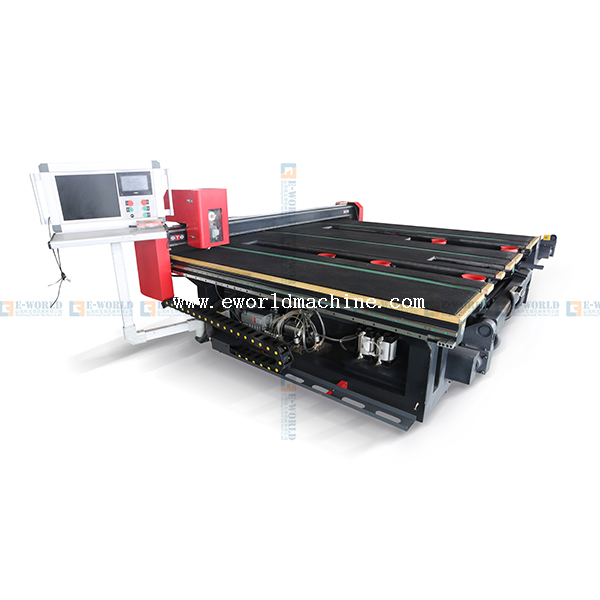
Automated Cutting and Breaking Lines
Fabrication begins with precise cutting and breaking. Modern CNC cutting tables utilize advanced optimization software. This software calculates the most efficient cutting patterns automatically. It reduces scrap rates and maximizes raw material usage. You should assess the cutting head precision during evaluation. High-quality heads score the surface cleanly without micro-fractures. Automated breakout tables then snap the sheets perfectly along the score lines. This automation protects workers from handling sharp, heavy sheets manually.
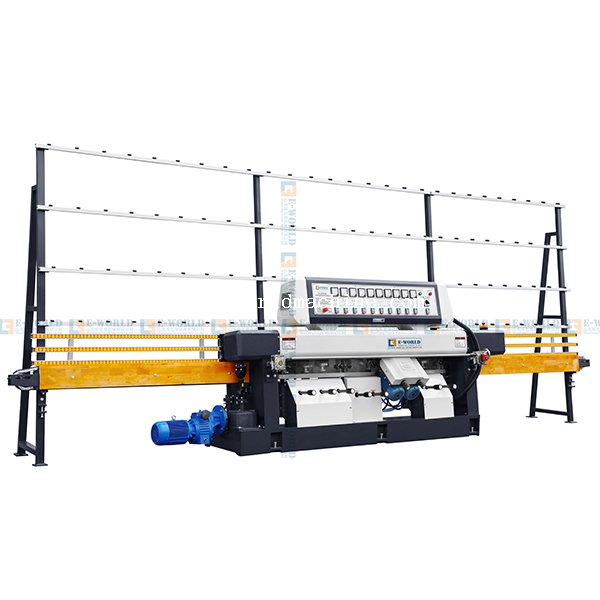
Edge Grinding and Polishing Equipment
Raw cut edges are dangerous and prone to cracking. Edge grinding equipment profiles these edges for safety and aesthetics. You have several machine configurations to choose from depending on your output goals.
Straight-line edgers handle basic flat polishing quickly and reliably.
Double-edgers process two parallel sides simultaneously for high-volume lines.
CNC work centers manage complex geometric shapes and internal cutouts.
Spindle durability is a major evaluation factor. Heavy continuous grinding wears out inferior spindles rapidly. You also need automatic wheel wear compensation. This feature adjusts the grinding wheels as they degrade, ensuring consistent edge quality. Strict water filtration requirements apply here too. Clean coolant prevents dust from scratching the polished surfaces.
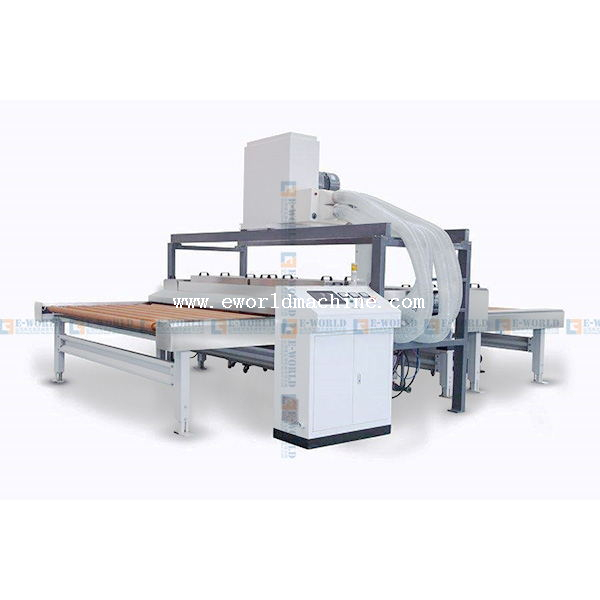
Washing and Drying Machines
Washing lines serve as the ultimate quality control checkpoint. They remove cutting oils, dust particles, and fingerprints. You cannot temper or laminate dirty materials successfully. Contaminants cause permanent defects during high-heat processing. Frame your washing lines as a non-negotiable quality step.
Look for specific features when evaluating washers. Stainless steel construction prevents rust in harsh, wet environments. Low-E compatibility ensures soft-coated surfaces pass through without scratching. Closed-loop water recycling systems reduce your environmental footprint drastically. They filter and reuse heated water, lowering utility bills significantly while meeting environmental regulations.
Tempering Furnaces and Insulated Glass (IG) Lines
Tempering furnaces heat sheets to a near-melting point before cooling them rapidly. This quench process creates immense structural strength. You must evaluate convection heating uniformity carefully. Uniform heat is crucial for handling complex coated Glass. Uneven heating causes optical distortion and roller wave defects. Quench section efficiency dictates how quickly the surface cools, which directly impacts safety ratings.
Insulated Glass (IG) lines assemble multi-pane window units. You should look for automated spacer application features. They bend and apply aluminum or warm-edge spacers seamlessly. Gas filling consistency matters for thermal insulation ratings. The machine must inject Argon or Krypton gas without leaving air pockets. Secondary sealing precision ensures the final unit remains airtight for decades.
Evaluation Criteria for Glass Equipment Investments
Scalability and Automation (Industry 4.0)
Modern factories thrive on data and connectivity. You must evaluate the equipment's capacity for digital integration. Industry 4.0 standards demand machines that communicate seamlessly. Ensure your new machinery integrates with your existing ERP or MES systems. This allows operations managers to track production metrics in real time. Predictive maintenance software monitors vibrations and temperatures continuously. It alerts your maintenance team before a mechanical failure happens. This scalable automation keeps your factory competitive as production volumes grow.
Safety and Compliance Standards
Industrial machinery presents serious physical hazards. You must ensure all equipment meets international safety protocols. Look for standard certifications like CE marking and ISO compliance. OSHA compliance remains mandatory for North American operations. High-heat zones require specialized shielding and automated shut-off valves. Automated moving parts need optical safety barriers to protect operators. Never compromise on safety standards to save money on initial purchases. A safe factory operates more efficiently and experiences fewer delays.
Vendor Support and Service Level Agreements (SLAs)
Buying machinery marks the beginning of a long relationship. You must assess the manufacturer's ability to support you long-term. Demand rapid technical support within your service contracts. Regional spare parts distribution guarantees you receive replacements quickly. Waiting weeks for an imported gear halts production entirely. Remote diagnostic capabilities offer a massive operational advantage. Technicians can log into your machine software from afar. They troubleshoot and fix programming errors without traveling to your facility.
Implementation Realities, Rollout, and Maintenance Risks
Lead Times and Installation
Heavy machinery procurement requires immense patience and planning. Outline realistic timelines for manufacturing, shipping, and installation. Custom-built furnaces and fabrication lines often require 6 to 12 months for delivery. You must coordinate factory floor preparations during this waiting period. Delays in pouring concrete foundations will bottleneck the entire installation process. Rigging and positioning heavy Glass Manufacturing Equipment takes weeks of specialized labor. Align your production schedules to accommodate this transition.
Calibration and Testing
Do not expect machines to run perfectly on day one. You must account for a mandatory ramp-up period. Technicians need time to calibrate sensors and align conveyors perfectly. This testing phase involves running scrap material to fine-tune settings. It takes weeks to achieve acceptable yield rates consistently. Rushing this calibration period leads to disastrous quality control failures later. Communicate these testing timelines to your sales team to manage client expectations.
Operator Training Requirements
Human error poses a significant risk to new machinery. Modern automated equipment requires operators to possess strong software proficiency. Mechanical skills alone no longer suffice in a CNC-driven environment. Address this gap by mandating comprehensive vendor training. Your team must understand how to navigate complex SCADA interfaces. They need to know how to adjust parameters digitally without breaking the system. Investing heavily in training protects your capital expenditure from avoidable operator damage.
Preventative Maintenance Mandates
Running machinery to the point of failure destroys profitability. Highlight the absolute necessity of scheduled downtime. Preventative maintenance keeps your production line running smoothly year-round. You must schedule regular intervals for replacing worn grinding wheels. Cleaning spray nozzles prevents water blockages in washing machines. Inspecting furnace refractories digitally spots weak points before they collapse. These simple routines prevent catastrophic failures and massive repair bills.
Conclusion
Purchasing industrial equipment requires a highly strategic approach. You must prioritize systemic efficiency and long-term operating reliability. Focusing solely on initial price tags leads to poor procurement choices. Vendor reliability ensures your line keeps running when minor breakdowns occur. Smart operations managers look at the entire operational lifecycle instead of isolated costs.
Behind every high-efficiency, zero-defect production floor stands the precise machinery required to execute flawless fabrication and testing. As a premier manufacturer of high-reliability automated glass processing systems, E-world delivers the code-compliant, ruggedly engineered machinery and cutting-edge automation solutions needed to support heavy manufacturing pipelines globally. By pairing state-of-the-art technological design with extensive technical support, they help operators maintain absolute joint, surface, and structural integrity across demanding industrial setups.
Your next step involves taking immediate, data-driven action. We recommend initiating a formal internal capacity audit today. Assess your current bottlenecks and determine exact output requirements. Request detailed ROI projections from your shortlisted equipment manufacturers. Compare these projections against your current operational waste metrics. This objective analysis guarantees a smoother transition to modernized manufacturing.
FAQ
Q: What is the standard lifespan of commercial glass manufacturing equipment?
A: Equipment lifespan depends heavily on the application. Primary melting furnaces endure extreme conditions and typically require complete rebuilds every 10 to 15 years. Conversely, secondary fabrication machinery, such as CNC cutting tables and edge grinders, often last 10 to 20 years. Consistent preventative maintenance and timely part replacements significantly extend the operational life of all factory machinery.
Q: Can modern fabrication machines be retrofitted into an older glass production line?
A: Yes, but retrofitting carries inherent compatibility risks. Standalone units like edge grinders or washing machines are relatively easy to swap. However, integrating modern CNC equipment into older lines requires strict alignment of software systems and conveyor speeds. You must ensure legacy PLCs can communicate effectively with new SCADA interfaces to avoid severe production bottlenecks.
Q: How does automated glass equipment impact energy consumption?
A: Automation drastically improves overall energy efficiency. While automated controls and sensors slightly increase the baseline electrical load, they optimize production cycle times. This precision minimizes material scrap rates and reduces the energy wasted on defective units. Ultimately, automation lowers the net energy consumed per unit of acceptable product.
Q: What should be included in a maintenance contract for glass processing machinery?
A: A robust maintenance contract must protect your production timeline. Critical inclusions involve guaranteed rapid response times for emergency breakdowns. You should also secure remote software diagnostics to troubleshoot programming issues instantly. Ensure the contract covers annual on-site calibration visits and rapid regional dispatch of essential spare parts.