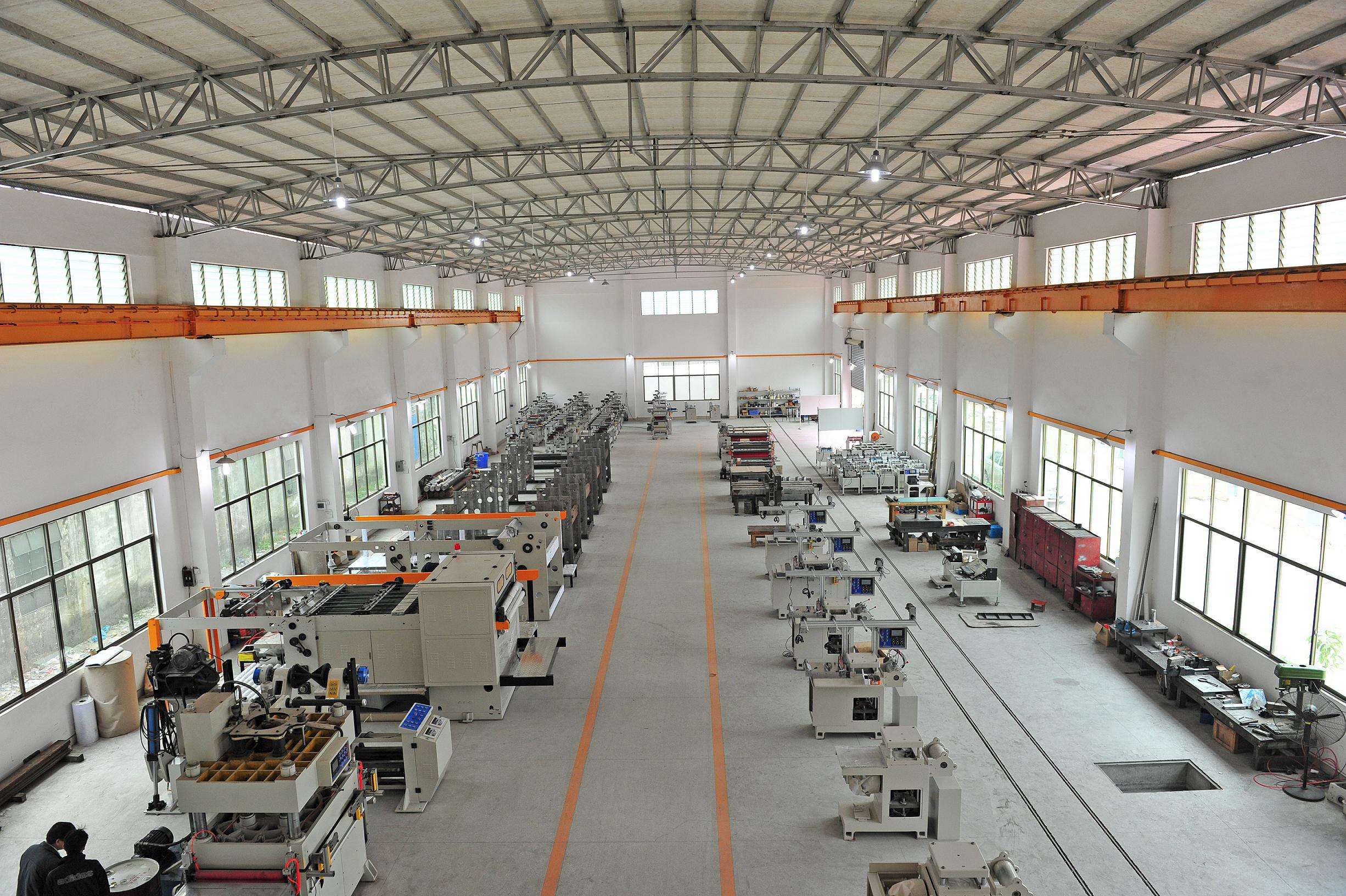
Choosing the right equipment for your complete glass production line can shape your success. You need to match each machine to your production needs. Glass comes in many forms, so your equipment must fit your goals. Careful selection means you get the best results and quality glass every time.
Table of Contents
Toggle
Key Takeaways
Pick equipment that fits your production goals. This helps you save money and work faster.
Before you pick equipment, you need to know your goals. Each company has its own needs. Some want to make lots of glass fast. Others want to make special glass types. Your machines should match what you plan to make and how much you want to produce.
Here is a simple table that shows how your goals affect your equipment choices:
Product Type
Equipment Needs
Standard sheet sizing
Cutting and loading systems
Furniture glass/frameless doors
Edging, drilling, and washing equipment
Safety glass
Tempering or laminating equipment
Energy-efficient construction
Insulating glass systems and sealing-related machines
If you want to make safety glass, you need tempering or laminating machines. For furniture glass, you need edging and drilling machines. If you want glass for energy-saving buildings, you need insulating glass systems. Your machines should fit your main products. This helps you reach your goals and stops you from spending money on machines you do not need.
Balancing Cost and Quality
When you choose machines, you need to think about cost and quality. Good machines make better glass. They last longer and break less often. You should not just pick the cheapest machines. Cheap machines can break more and slow down your work.
Experts say you should look for these things when you pick equipment:
Domestic facilities make it easier to get parts and help.
Inspection equipment checks if your glass meets your standards.
Quality control certifications show the maker cares about quality.
Reputation and experience mean the vendor will help you and support their machines.
Ask about these things before you buy. Good quality means fewer problems and better glass for your customers. You want your glass production line to work well for a long time. This helps your business grow and makes your clients trust you.
Tip: Always check if the equipment supplier gives good after-sales support. This can help you save time and money if you need help later.
Complete Glass Production Line Overview
Glass Manufacturing Process
You should know how glass is made before picking equipment. A complete glass production line has many steps. These steps change raw materials into finished glass products. Each step uses special machines and careful checks. This makes sure the glass is good quality.
You mix raw materials in the right amounts. Many factories use recycled glass, called cullet, to save resources.
Melting in Furnaces
The mixture melts in furnaces at very high temperatures, usually between 1400°C and 1600°C.
Refining
The molten glass is refined to remove gases and make the glass uniform and flawless.
Moulding
You shape the molten glass into its final form. This can be done by pouring into molds or other methods.
Cooling & Annealing
The glass cools slowly in a controlled environment. This step relieves stress inside the glass and prevents cracks.
Cutting
Machines cut the glass into the sizes you need for your products.
Quality Check
Automated systems check the glass for defects before it leaves the factory.
Note: Every step needs the right machine. If you skip a step or use the wrong machine, your glass might not be good enough.
Main Components
A complete glass production line has many machines working together. You need to make sure each machine fits with the others. This is called system compatibility. If your machines do not match, your work slows down and you waste materials.
Here are the main machines you will see in a glass production line:
Batching systems: These mix raw materials and recycled glass.
Melting furnaces: These heat the mixture to make molten glass.
Forming equipment: These shape the glass into sheets, bottles, or other products.
Edge processing machines: These smooth and finish the edges of the glass.
Washing machines: These clean the glass before further processing.
Laminating machines: These add layers for safety and strength.
Quality control systems: These check for defects and make sure the glass meets your standards.
You should try to get turnkey solutions for your production line. Turnkey solutions mean you get all the machines and help from one supplier. This makes setup easier and helps you fix problems faster. If you pick a supplier with system compatibility and turnkey solutions, you can focus on making good glass instead of fixing machines.
Tip: Always ask your supplier if their machines work together as a system. This helps you avoid delays and keeps your glass production running smoothly.
Essential Glass Manufacturing Equipment
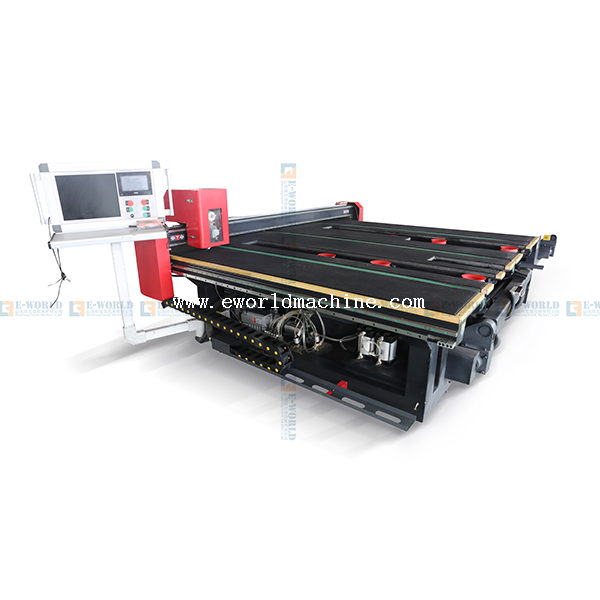
Glass Cutting Machines
Glass cutting machines help shape glass for many products. These machines use new technology for accurate cuts. There are different types, and each has special features. Picking the right machine helps you reach your goals and keeps your glass high quality.
Uses servo motors and CNC controls. Gives high accuracy and steady cuts.
Laser Cutting Technology
Uses CNC G codes. Makes smooth finishes. Cuts flat and curved glass.
Glass Cutting Table
Cuts straight and shaped glass. Works with glass from 0.3 cm to 1.9 cm thick. Works quickly.
Water Jet Glass Cutting Machine
Makes detailed designs. Good for thick, high-quality glass. Not good for thin glass.
Glass Saws
Cuts thick or textured glass. Has ring, band, and wire saws for exact cuts.
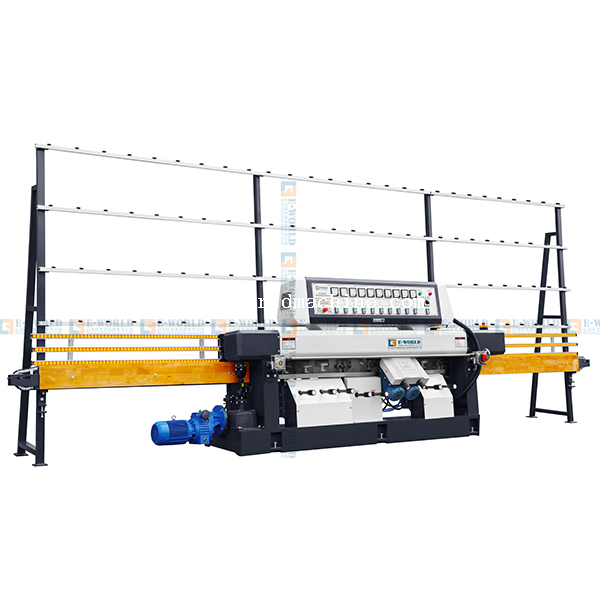
Glass Edging Machine
Makes glass edges smooth. Creates different edge shapes. Uses suction plates to hold glass steady.
You can use these machines to cut glass for windows, doors, containers, and bottles. Modern glass bottle making machines need accurate cutting to meet strict rules. If you work as a glass fabricator, you need cutting machines that fit your materials and needs. Custom glass fabrication often needs special machines for unique shapes and sizes. Many industries want lighter glass, so you must pick machines that cut thin glass without breaking it.
Glass Edge Machines
After cutting, you need to fix the glass edges. Sharp edges can hurt people and lower product quality. Glass edge machines grind and polish edges to make them safe and smooth. Removing chips and stress points makes glass stronger and safer.
Glass edge machines help you get the same quality every time. Automated systems lower mistakes and make sure each piece meets your standards. You can make different edge shapes, like arrissed, smooth ground, or polished edges. These machines make glass safer to handle, install, and use.
Glass edge polishing machines take away sharp edges to make glass safer.
Accurate work lowers defects and makes glass better.
Automated systems make complex edge shapes with precision.
If you are a glass fabricator, you use edge machines to make products that last longer and look nicer. You can use these machines for glass containers, bottles, and custom glass fabrication. Modern glass bottle making machines often use edge processing to make each bottle better. Smooth edges help with lightweighting, since thin glass needs careful handling.
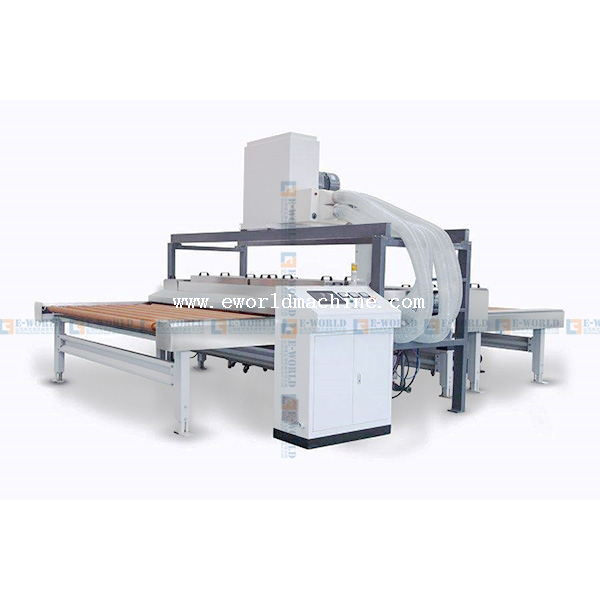
Glass Washing Machines
You must clean glass before you do more work. Glass washing machines remove dust, oil, and other dirt. Clean glass helps make strong bonds in laminating and stops defects in finished products. Big factories need machines that work well and fast.
Important things for glass washing machines include:
Cleaning capacity in bottles per hour (BPH). Small machines clean 500–1,000 BPH. Big machines clean over 5,000 BPH.
Water and energy use. Machines with heat recovery and closed-loop filtration save resources and help the environment.
Material construction. Food-grade 304 or 316 stainless steel lasts long and meets health rules.
Wash stages. Machines with three or more stages (pre-wash, main wash, rinse) clean glass well. Hot water sterilizes for better hygiene.
Nozzle design and pressure. Stainless steel spray bars with self-cleaning nozzles cover glass evenly. Pressure of 2–4 bar removes dirt well.
You need glass washing machines to get glass ready for containers, bottles, and other products. Glass bottle making machines need clean glass for good results. If you are a glass fabricator, you must pick machines that fit your needs. Lightweighting needs clean glass to stop weak spots. Modern glass bottle making machines use advanced washing to meet strict quality rules.
You can use glass washing machines for glass container production equipment and custom glass fabrication. Clean glass helps you make better products that last longer.
Glass Laminating Machines
Glass laminating machines make glass stronger and safer. These machines join glass layers with special films. Laminated glass helps protect people from getting hurt. It also keeps buildings safe. Many businesses use laminated glass for windows, doors, and cars.
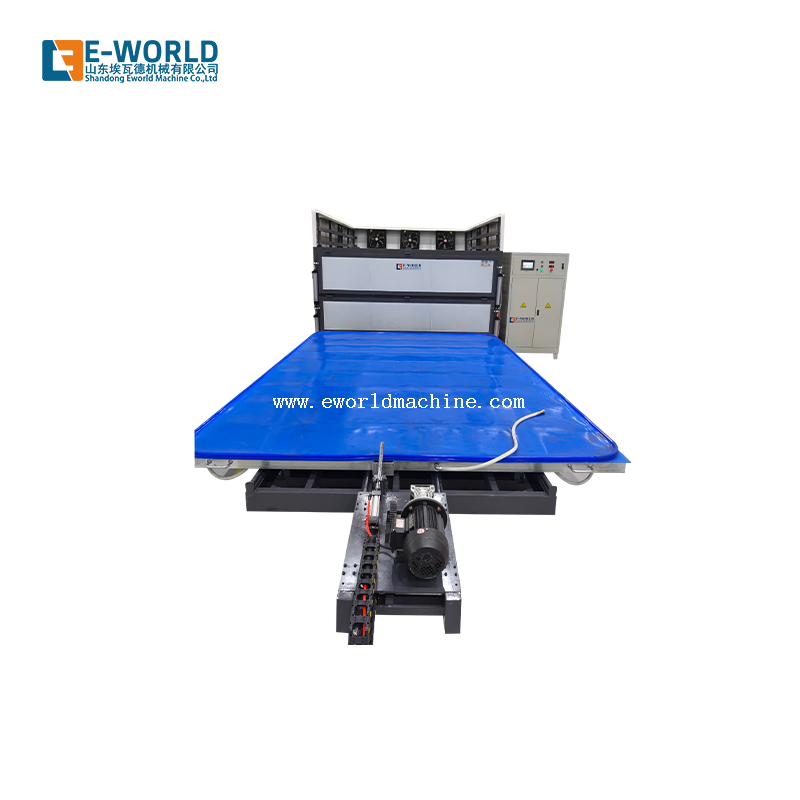
EVA Laminated Glass Machine
You can pick the High Quality 4 Layer EVA Laminated Glass Machine from Shandong Eworld Machine Co., Ltd. This machine is special in the market. It heats up fast and works well because of its many heating layers. The insulation saves energy and lowers your bills. The PLC control system is easy to use and lets you watch the process. You can lift heavy glass with one button, so the glass does not bend.
Here is a table that shows what makes this machine special:
Feature Description
Distinction
Multi-layer independent heating
Heats up quickly and evenly with little temperature change
Energy-saving insulation
Keeps heat in and saves money
PLC control system with user-friendly interface
Makes it easy to use and lets you see what is happening
One-button lifting function
Lets you lift heavy glass easily without bending it
You can use this machine for building glass, car glass, and fancy glass. The machine helps you make glass that looks nice and lasts a long time. It is simple to use, even if you are new. The machine fits well in new glass factories.
Laminated Glass Applications
Laminated glass keeps people and things safe. You see it in buildings, cars, and furniture. Laminated glass does not break into sharp pieces. You find it in windows, doors, and skylights. Some glass bottle making machines use laminated glass for special bottles. Laminated glass keeps bottles safe when moving and storing them.
You can use laminated glass for:
Safety windows in schools and hospitals
Car windshields and side windows
Fancy panels in homes and offices
Special bottles for chemicals and medicines
Laminated glass helps you feel safe. It is strong and can take hits without breaking.
Glass Lifting Equipment
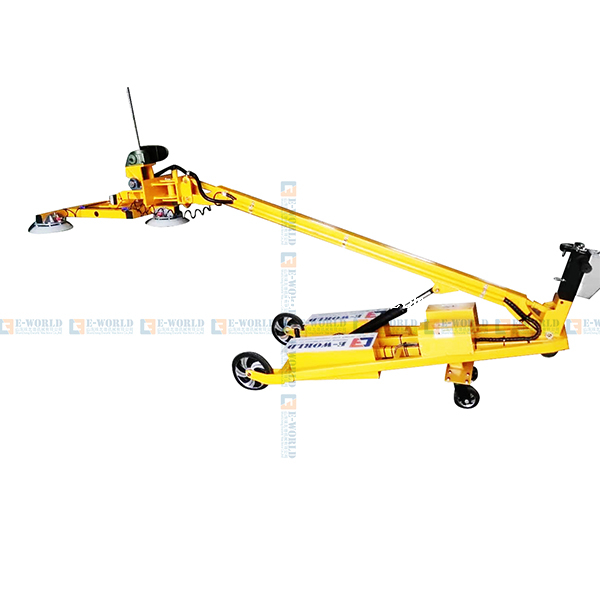
Glass lifting equipment helps you move big glass safely. You need these machines for large sheets and bottles. Safety is very important when lifting glass. You must wear gloves, long sleeves, and closed shoes. Cut-resistant gloves keep your hands safe. You must follow safety rules and get trained often.
Here is a table that shows important safety features:
Safety Feature
Description
Full-Standard Safety Configuration
All main safety parts come standard, so accidents do not happen.
Dual Redundant Vacuum System
Has a backup system for extra safety when lifting.
Power-off Hold
Keeps the vacuum on even if the power goes out.
Vacuum Alarm
Warns you if there is a problem with the vacuum.
High Safety Factor
Has a high safety rating and double protection against falling.
Some machines have automatic vacuum checks and alarms for low vacuum. These features keep glass safe while lifting. You can move bottles and sheets without breaking them. Glass bottle making machines use lifting tools to move many bottles at once.
You should check your machines often. Fix any problems right away. This keeps workers safe and glass in good shape.
Glass Drilling Machines
Glass drilling machines make holes in glass for things like hinges and handles. You use diamond drill bits for clean holes and to stop cracks. Carbide-tipped bits work for small holes but do not last long. Water sprays keep the glass cool and stop it from breaking.
You must control how you drillto stop glass from breaking. Keep the drill steady to avoid cracks and chips. Water washes away glass dust and keeps things cool. You get smooth holes and strong glass.
Glass bottle making machines use drills to make holes in bottles for special jobs. You need careful drilling to keep bottles strong and safe. Ultra-short pulse lasers can drill glass without tiny cracks. You get better results and fewer broken pieces.
Tip: Always use water and diamond bits for the best results. This keeps your glass safe and makes your products last longer.
Glass Screen Printing Machines
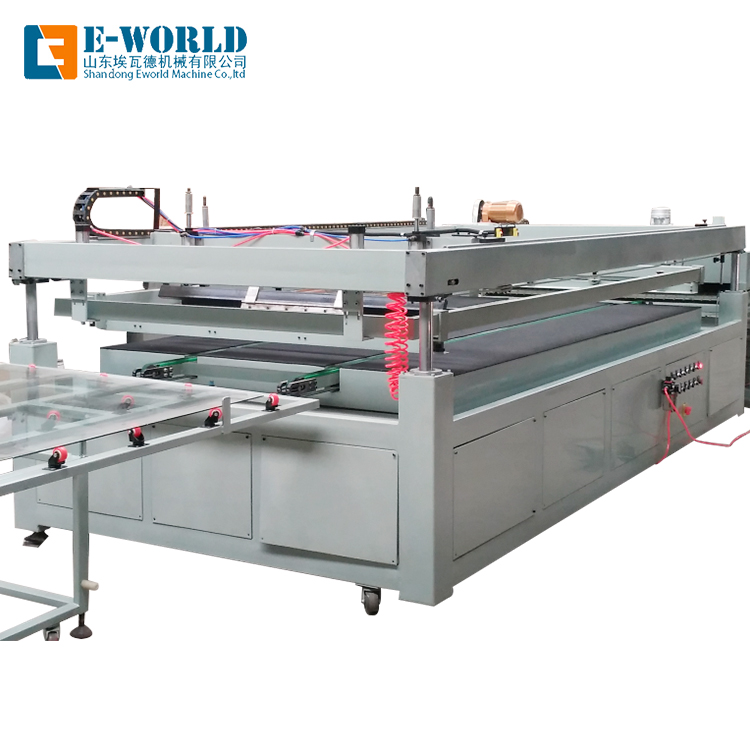
You can use glass screen printing machinesto add designs, logos, or patterns to glass. These machines help you create both decorative and functional products. You see printed glass in buildings, cars, and even home appliances. The machines use special inks that stick to the surface and last a long time.
You control the design by using screens with different patterns. The machine presses ink through the screen onto the glass. After printing, you heat the glass so the ink becomes part of the surface. This process makes the design strong and hard to scratch.
Here are some benefits of using glass screen printing machines:
You can make many designs quickly.
The machines work with different sizes and shapes.
You get bright colors and sharp lines.
The printed glass resists fading and damage.
If you want to make custom products, these machines give you many options. You can print safety marks, company logos, or art. You can also use them for privacy glass in offices or bathrooms.
Tip: Always clean the glass before printing. Dust or oil can ruin the design and lower the quality.
Glass Sandblasting Machines
Glass sandblasting machines help you create frosted or textured surfaces. You use these machines to make patterns, logos, or even full images on glass. The machine shoots fine sand at high speed onto the glass. This process removes a thin layer and leaves a smooth, matte finish.
You can control how deep the sand goes. Light sandblasting makes soft, cloudy effects. Deep sandblasting creates bold, rough textures. You can use stencils to protect parts of the glass and make detailed designs.
Here is a table that shows what you can do with glass sandblasting machines:
Application
Result
Privacy panels
Blocks view, lets light in
Decorative doors
Adds art and style
Signage
Shows logos and letters
Awards and trophies
Makes custom engravings
You can use these machines for both small and large pieces. Sandblasted glass works well in homes, offices, and stores. The machines help you make products that look special and feel smooth to the touch.
Note: Always wear safety gear when using sandblasting machines. The fine sand can hurt your eyes and skin.
Tempered Bending Machines
Tempered bending machines let you shape glass into curves while making it stronger. You use these machines to make products like curved windows, shower doors, and car windshields. The machine heats the glass until it becomes soft. Then, it bends the glass over a mold and cools it quickly. This process makes the glass tough and hard to break.
You can choose different shapes and sizes. The machines can bend large sheets or small pieces. You get smooth curves and strong glass every time.
Here are some reasons to use tempered bending machines:
You can make safe, curved glass for many uses.
The machines work fast and give you the same results each time.
The finished glass does not break into sharp pieces if it gets damaged.
You see curved glass in modern buildings, cars, and furniture. These machines help you meet safety rules and create new designs.
Tip: Check the temperature and bending speed often. This helps you avoid cracks and keeps the glass strong.
Laser Cutting Machines
You can use laser cutting machines to make precise cuts in glass. These machines use a focused beam of light to slice through the material. You get clean edges and smooth surfaces. Laser cutting works well for both straight and curved shapes. You can cut glass for windows, mirrors, and even art pieces.
Laser cutting machines help you save time. You do not need to polish the edges after cutting. You can program the machine to follow any pattern. This makes it easy to create custom designs. You can use these machines for thin or thick glass. The laser does not touch the glass, so you avoid cracks and chips.
Tip: Always wear safety goggles when you use laser cutting machines. The light can harm your eyes.
Here is a table that shows the main benefits:
Benefit
Description
High Precision
Cuts glass with exact measurements
Smooth Edges
Leaves no rough spots
Fast Operation
Finishes jobs quickly
Custom Shapes
Makes unique patterns and designs
CNC Glass Edge Processing Machines
You can use CNC glass edge processing machines to shape and polish the edges of glass. CNC stands for Computer Numerical Control. You program the machine to follow a set path. The machine grinds, polishes, and finishes the glass edges. You get consistent results every time.
These machines help you make glass for furniture, doors, and windows. You can choose different edge styles, like round, flat, or beveled. The machine works fast and reduces mistakes. You can use it for both small and large pieces.
CNC machines make the process easy.
You get smooth and safe edges.
You can create many shapes and styles.
Note: You should check the machine settings before you start. This helps you avoid errors and keeps your glass safe.
PVC Window Machines
PVC window machines help you make windows from polyvinyl chloride, also known as PVC. You use these machines to cut, weld, and assemble window frames. PVC windows are strong and resist weather. You can use these machines to make windows for homes, schools, and offices.
You can choose machines that cut PVC profiles to the right size. You can use welding machines to join the corners. You can add glass panels to finish the window. These machines help you work faster and make windows that last a long time.
Here are some steps you follow with PVC window machines:
Cut the PVC profiles to the needed length.
Weld the corners to make the frame.
Clean the welded joints for a smooth finish.
Add glass panels and seal the window.
Tip: You should keep your machines clean. This helps you make better windows and keeps your equipment working well.
Aluminum Window Machines
Aluminum window machines help you make window frames that are strong and light. These machines let you cut, shape, and put together aluminum profiles. You can use them to make windows for homes, offices, and factories. Aluminum frames do not rust and last for many years. The right machines give you smooth joints and neat cuts.
First, you cut the aluminum profiles to the size you want. Then, you use corner crimping machines to join the pieces together. You can add glass panels and seal the frame to finish the window. These machines work quickly and let you make windows in many styles. Some machines have automatic controls for more accurate work.
Tip: Wipe the aluminum profiles before you put them together. This helps you make strong joints and keeps your windows looking nice.
Glass Bottle Making Machines
Glass bottle making machines are very important in the glass industry. You use these machines to shape, form, and finish bottles for drinks, medicine, and chemicals. The machines melt raw materials and pour the hot glass into molds. You can make bottles in many shapes and sizes.
You can use these machines to make bottles for water, soda, and juice. The machines help you control how thick and heavy each bottle is. You can make lighter bottles that use less glass. The machines also let you add things like threads for caps or special shapes for brands.
Here is a table that shows the main steps in bottle making:
Step
Description
Melting
Machines heat raw materials to make liquid glass.
Molding
Machines pour glass into bottle molds.
Cooling
Bottles cool down and become solid.
Finishing
Machines polish and inspect each bottle.
You can use glass bottle making machines to make bottles fast and with good quality. These machines help you meet strict rules for food and medicine bottles. You can also use them to make special bottles for unique products.
Note: Always check the molds and machines before you start. This helps you stop problems and keeps your bottles safe.
Auxiliary Equipment and Materials
You need auxiliary equipment and materials to keep your glass production line working well. These tools help you keep quality high and make work faster. Good glass fabrication machinery helps you cut and shape glass the right way. You get better glass products when you use good equipment.
Here is a list of important auxiliary equipment and materials:
Glass washing machines
Glass lifters
Glass edging and polishing machines
Tempering furnace
Laminated glass kiln
Laminated saw
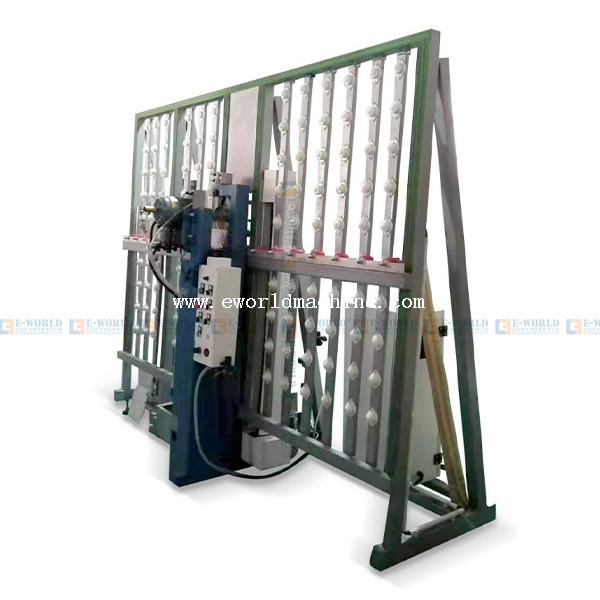
Vertical CNC
Glass sandblasting machines
Glass water treatment and filtration systems
Drills (Neptun and Sulak)
Cranes
Glass inspection equipment
Shape edging tools
Insulated glass materials
You use glass washing machines to clean glass before you work on it. Glass lifters help you move heavy glass safely. Glass edging and polishing machines make the edges smooth and safe. Tempering furnaces make glass stronger. Laminated glass kilns and saws help you make layered glass. Vertical CNC machines shape glass very accurately. Glass sandblasting machines make frosted glass. Water treatment systems keep your machines clean and help the environment. Drills and cranes help you move and shape glass. Inspection equipment checks for problems. Shape edging tools let you make special designs. Insulated glass materials help you make glass that saves energy.
Tip: Take care of your auxiliary equipment often. This keeps your production line working well and stops long breaks.
Equipment Selection Criteria for Glass Production
Production Capacity
You need to pick machines that match your goals. Small businesses need machines for fewer bottles or sheets. Big factories need faster machines for more glass. Making glass from start to finish takes planning. You must know how much glass you want to make each day. This helps you choose the best machines for your line.
Good machines, like automated cutting tables and tempering furnaces, must fit your needs. If your machines are too small, you cannot meet demand. If they are too big, you waste energy and materials. As a glass fabricator, you must think about how steady and efficient your machines are. You want machines that keep up and make good glass every time.
Glass fabricators face new problems. Customers want thinner glass that looks clearer. You need machines that can handle these requests. The right machines help you make more glass and better glass. You must balance how much you make, the quality, and how fast you work. This helps you stay ahead in glass packaging.
Tip: Always check your goals before you buy new machines. This helps you avoid mistakes and keeps your business strong.
Automation Level
Automation changes how you make glass. Automated systems do boring and risky jobs. Robots and machines help you work faster and make fewer mistakes. You can focus on skilled jobs while machines do the heavy work.
Here are some ways automation helps your line:
Automation lets workers do special jobs. This makes work safer and more fun.
Robots do simple, risky jobs. Workers can do more important tasks.
Automated systems help with laminating, insulating, and checking glass.
You can use robots to load and unload glass. Automated buffer systems keep work moving and help track glass. Software helps move materials and lowers mistakes. This makes work faster and glass better.
As a glass fabricator, you must choose how much automation you want. If you want to make more bottles or sheets, automation helps you grow. You can check glass better with automated machines. This cuts waste and helps the planet.
Note: Automation saves time and money. It also makes your workplace safer and better.
Energy Efficiency
Energy efficiency is important in glass making. You must pick machines that use less energy and meet new rules. This saves money and helps the planet. Efficient machines help you waste less and protect resources.
Here is a table with the newest energy rules for 2024:
Standard
Key Updates
Energy Star 7.0
Better heat control for windows. Triple or quad-glazed units for cold places.
ASHRAE 90.1
On-site renewable energy, less heat loss, and better window credits for net-zero goals.
IECC 2024
Net-zero focus, better U-factor, and credits for top windows and renewable energy.
You must look for machines with good insulation and energy-saving parts. Many glass fabricators use recycled glass to save energy. Efficient machines help you meet quality rules and protect the earth. You can use less energy and still make good glass.
If you work in glass packaging, energy efficiency helps you compete. You can make more bottles with less waste. This helps your business grow and last longer.
Tip: Pick machines with energy-saving parts. This helps you meet new rules and protect the planet.
Quality Control
You need good quality control in your glass factory. Quality control helps you make glass that meets high standards. Automated inspection systems check glass for problems. These systems find bubbles, scratches, and color issues. They work fast and help you fix mistakes before shipping.
Modern glass factories use special tools to keep quality high. Here are some examples:
Automated inspection systems check automotive glass for safety.
Float glass inspection systems watch thickness and color for steady results.
Thin and display glass systems find scratches and bubbles with great accuracy.
Solar glass inspection solutions track production and cut downtime.
Complete process monitoring lets you catch mistakes early.
These systems help you make sure every piece of glass is good. Real-time sorting lets you organize products quickly. Finding defects early saves money and reduces waste. Quality control builds trust with customers and helps your business grow.
Tip: Always check your quality control systems before you start. This stops costly mistakes and keeps your glass safe.
Safety Standards
Safety standards keep you and your workers safe. You must follow rules for handling glass and using machines. Wear safety gear like gloves, goggles, and long sleeves. Machines need guards and alarms to stop accidents.
Use a checklist to make sure your factory is safe:
Check all machines for safety features.
Train workers to handle glass safely.
Wear protective gear every day.
Inspect machines and tools before use.
Keep emergency exits clear.
Follow local and international safety rules. These rules help you avoid injuries and keep work running smoothly. Safety standards also protect your glass from damage. You can make glass that meets quality needs and keeps customers safe.
Note: Review safety standards often. Update training and equipment to match new rules.
Environmental Impact
You can lower your factory’s environmental impact by using smart technology and recycling. Many glass factories use energy-saving systems like waste heat recovery and Organic Rankine Cycles. These systems use less energy and cut carbon emissions.
Oxy-fuel furnaces and cullet pre-heating also save energy. Recycling glass is important because it saves materials and lowers emissions. Glass can be recycled forever. Almost 80% of glass bottles in the EU are recycled, and the goal is 90%. Recycling glass saves over 12 million tonnes of materials each year. Each tonne of recycled glass saves up to 670 kg of CO2.
Here is a table that shows ways to help the environment:
Method
Benefit
Waste heat recovery
Saves energy and lowers costs
Organic Rankine Cycles
Cuts carbon emissions
Oxy-fuel furnaces
Uses less fuel and reduces pollution
Cullet pre-heating
Saves energy and materials
Glass recycling
Lowers emissions and saves resources
You can help the planet by using recycled glass and efficient machines. Reducing waste makes your factory more sustainable. You can meet new environmental rules and show customers you care about the earth.
Callout: Use recycled glass and energy-saving machines to protect the environment and make your factory better.
System Compatibility
You need your machines to work well together. System compatibility means your new machines fit with your old ones. This helps your production line run without problems. You avoid delays that cost money.
When you get new machines, check if they can share information. Machines that share data help you watch your production and find problems early. You also need to check your factory space. Some machines need more room or special doors. If you do not plan, you may have trouble moving or setting up equipment.
Utility needs are important too. Each machine uses power, air, or needs ventilation. If your factory cannot give these, your machines may not work right. Always check these things before you buy.
Here are some key points for system compatibility:
Check if you have enough space and easy ways to install and fix machines.
Make sure your factory gives the right power and air for each machine.
Tip: Ask your supplier if their machines connect with your software and hardware. This saves you time and money later.
After-Sales Support
After-sales support helps you keep your glass production line working well. Good support means you get help when you need it. This can make your daily work easier and help your business succeed.
You should pick suppliers who give strong after-sales services. These services help you fix problems fast and keep your machines working well. Training helps your team use the machines safely and correctly. Spare parts should be easy to get, so you do not stop production for long.
You should ask your supplier about their support before you buy. A company like Shandong Eworld Machine Co., Ltd. gives strong service support. This helps you fix problems fast and keeps your production line running smoothly.
Note: Good after-sales support keeps your machines safe and helps your business grow.
Supplier Evaluation and Turnkey Solutions
Questions for Suppliers
When picking a supplier, you should ask smart questions. Good suppliers have worked on big projects before. They know how to fix problems if things go wrong. They can show you real videos of their work and share what customers say about them. You should also see if they give reports that show their work is good. Check if the supplier helps you plan before you buy. See if they help set up the machines and fix them after you buy.
Professional suppliers help you plan your project before you buy anything. They help you put the machines together and make sure they work right. After you buy, they help keep your machines working and give you updates. These services help stop problems and keep your machines running well.
Here are some questions you should ask the supplier:
How do you plan production and let me see shipping updates?
What do you do if something needs to be made again or fixed?
Can you show you know how to ship and handle export papers?
What things do you think about when you set your prices?
You should also check if the supplier’s machines fit your needs. Make sure they care about quality and follow the rules. See if they can finish the job and are strong in business. These things help you pick the right supplier.
Comparing Offers
You need to look at offers from more than one supplier. Check how well each machine works. Machines that work fast help you make more glass and fill more orders. This is very important when you have lots of work to do.
Brand A’s machines help you finish jobs faster. You can send glass to customers on time. If a supplier’s machines are slow or need people to fix them a lot, it takes longer to finish orders. This can make you late.
Pick machines that help you work quickly and keep glass good. Look at the warranty, how long it takes to get the machines, and what help you get. You want a supplier who answers fast and helps you fix problems.
Turnkey Solution Capability
Turnkey solutions mean you get everything you need from one place. You get all the machines, help with setup, training, and support after you buy. This makes starting your glass line easier and safer.
Shandong Eworld Machine Co., Ltd. gives strong turnkey solutions. They help you from the start to the end. They help plan, set up, and keep your machines working. You can focus on making glass while they fix any machine problems.
Find suppliers who offer turnkey solutions and have done it before. Ask about their help after you buy, how they send spare parts, and if they offer upgrades. A good supplier helps your business grow and keeps your machines working.
Tip: Pick a supplier who gives turnkey solutions and good support. This helps you build a strong glass line that works well.
Common Mistakes and Trade-Offs
Overlooking Expansion
Sometimes, you only think about what you need now. You might forget your factory could get bigger later. Many factories start small but grow fast. If you pick machines that only fit your current size, you might have trouble when your business gets bigger. You should plan for more space, higher output, and new products. Machines that can do more work help you avoid buying new ones too soon.
Think about how your production line might change. You may want to add new machines or upgrade old ones. If your machines cannot connect with new technology, you might waste money and time. Always ask suppliers if you can expand later. Pick machines that let you add features or make more glass.
Tip: Plan for growth from the start. Flexible machines save money and keep your business strong.
Ignoring Maintenance
Sometimes, people forget to check if machines are easy to fix. Maintenance keeps your machines working and stops big problems. If you skip maintenance, your machines might break and you could lose money. You need to know how often to clean, check, and repair your machines.
Some machines need special tools or skills to fix. If you do not have these, you might wait longer for repairs. Ask your supplier about how to take care of the machines and get spare parts. Pick machines with clear guides and easy-to-find parts.
Here is a simple table to help you remember maintenance needs:
Maintenance Task
Frequency
Who Should Do It
Cleaning
Daily/Weekly
Operators
Inspection
Monthly
Technicians
Repairs
As Needed
Qualified Staff
Spare Parts Check
Quarterly
Maintenance Team
Note: Regular maintenance keeps your machines safe and helps your production line run well.
Underestimating Training
You might think your team can use new machines without learning first. This mistake can cause accidents, bad glass, and wasted materials. Every machine has its own buttons and safety steps. If workers do not know how to use them, you could have problems.
Training helps your team work faster and safer. You need to teach workers how to use, clean, and fix each machine. Suppliers often give training classes. Use these to help your team learn and feel confident.
Picking style instead of function. Make sure the glass looks good and works well.
Forgetting about closures. Make sure bottles fit standard caps to stop delays.
Skipping comfort. Pick shapes that are easy to hold.
Not testing bottle strength. Test bottles so they do not break.
Making designs too hard. Simple designs save money and are easier to make.
Not trying prototypes. Test samples to find problems early.
Not asking packaging experts. Work with pros to make better choices.
Callout: Training and expert advice help you avoid mistakes and make your production line better.
Price vs. Value
Many people look at price first when buying glass production equipment. You might think saving money is always good. This is not always true. Price and value are not the same thing. You need to know the difference to make smart choices.
Price is the amount you pay for a machine. Value is what you get for your money. Value includes how long the machine lasts, how well it works, and how much it helps your business. Sometimes, a low price means you get less value. Cheap machines can break down more often. They may need more repairs. This can cost you more in the long run.
Here is a table to help you see the difference:
Factor
Low Price Machine
High Value Machine
Initial Cost
Low
Higher
Durability
May wear out quickly
Lasts longer
Performance
Basic
Reliable and efficient
Support
Limited
Strong after-sales support
Total Cost Over Time
Can be high
Often lower
You should ask yourself these questions before you buy:
How long will this machine last?
Does the supplier offer training and support?
Will this machine help me make better glass?
How much will I spend on repairs and parts?
Tip: A higher price can save you money if the machine works better and lasts longer.
You should also think about your business goals. If you want to grow, you need machines that can keep up. High-value machines help you make more glass with fewer problems. They also help you meet safety and quality rules.
Some suppliers, like Shandong Eworld Machine Co., Ltd., focus on value. They offer strong machines and good support. This helps you avoid downtime and keep your line running.
Remember, the cheapest choice is not always the best. Look at the whole picture. Think about what you need now and in the future. Choose machines that give you the most value for your money.
Customization vs. Standardization
Decision-Making Summary
Step-by-Step Approach
You can make good choices for your glass factory by using a simple plan. Each step helps you build a strong factory. Here is an easy guide:
Add inspection systems that check each piece for defects. This keeps your glass quality high.
Look at your current work. Find slow spots and ways to make your line better.
Think about your budget and workers. Pick automation that fits your money and helps your team.
Focus on how much glass you want to make. Choose machines that help you reach your goals.
Buy automation systems that help you manage data and run your factory well.
Set up maintenance plans. Regular checks keep your machines working and lower downtime.
Train your team. Make sure everyone knows how to use new machines and tools.
Note: A strong glass factory needs good machines, smart planning, and support. You can reach your goals by following these steps and tips.
You can use this summary as a checklist when you start your project. Careful planning and expert advice help you build a factory that works well and grows with your business.
You can build a strong factory by following each step in this guide. Write your goals, choose the right machines, and check your production needs. Use the checklist to help you make smart choices. Ask suppliers for advice and support. Shandong Eworld Machine Co., Ltd. can help you design a complete glass production line that fits your business. Stay focused on quality and safety to grow your factory.
Tip: Review your plan often and update your equipment as your business grows.
FAQ
What is a complete glass production line?
A complete glass production line includes all machines and tools you need to make glass products. You start with raw materials and finish with ready-to-use glass. Each machine does a special job in the process.
How do I know which machines I need?
You should list your main products and how many you want to make. Match each step, like cutting or laminating, with the right machine. Ask your supplier for advice if you are unsure.
Why is system compatibility important?
System compatibility means your machines work well together. If your machines connect and share data, your line runs smoothly. You avoid delays and make better glass.
What is a turnkey solution?
A turnkey solution gives you everything you need from one supplier. You get machines, setup help, training, and support. This makes starting your glass line easier and safer.
How often should I maintain my equipment?
You should clean and check your machines every day. Plan for monthly inspections and quick repairs when needed. Regular care keeps your machines safe and working well.
Can I expand my production line later?
Yes, you can add more machines or upgrade old ones. Choose equipment that lets you grow. Ask your supplier if their machines support expansion.
What support should I expect from my supplier?
You should get training, spare parts, and help with repairs. Good suppliers answer your questions quickly. They help you keep your line running without long stops.
Why choose Shandong Eworld Machine Co., Ltd.?
Shandong Eworld Machine Co., Ltd. offers high-quality machines and strong support. You get expert advice, turnkey solutions, and reliable service. Their products help you make better glass and grow your business.