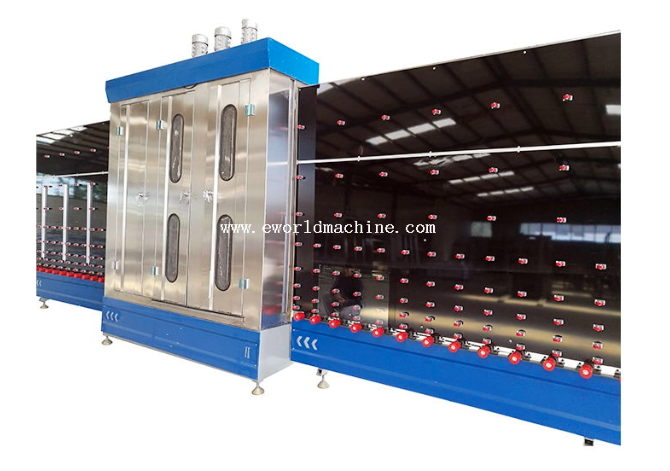
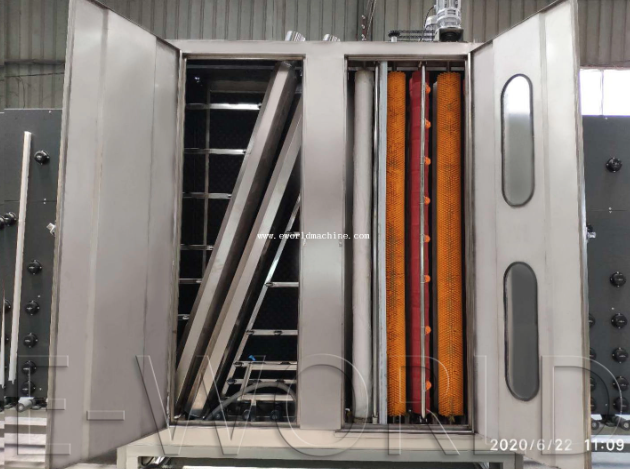
A Vertical Glass Washing Machine is essential for efficiently cleaning large glass panels in industrial and architectural applications. Designed to handle everything from float and tempered glass to coated and Low-E surfaces, it combines advanced automation, precise brush systems, and optimized drying technology. In this guide, we’ll explore how vertical glass washing machines work, their key features, compatible glass types, and maintenance tips. Whether you’re upgrading a production line or evaluating glass cleaning solutions, this overview helps you understand how these machines improve efficiency, protect glass quality, and reduce operational costs.
How a Vertical Glass Washing Machine Works
Overview of the Vertical Glass Washing Process
A vertical glass washing machine cleans glass panels while they remain upright, allowing the glass to pass smoothly through washing and drying zones in one continuous operation. This vertical layout saves valuable floor space and improves contact between the glass surface and cleaning components. It also makes handling large glass sheets safer and more efficient during production.
The process is designed to be continuous. Glass enters the machine with surface contaminants and exits clean, dry, and ready for further processing or installation.
Step-by-Step Cleaning Workflow
Glass Loading and Vertical Conveying
Glass sheets are placed onto the infeed section and guided into a vertical position. They move forward through the machine using conveyor rollers that provide stable, controlled movement. This upright conveying method reduces bending stress and keeps large panels well aligned throughout the cleaning process.
| Stage | Purpose | Key Benefit |
| Loading | Feed glass into the system | Smooth and controlled entry |
| Conveying | Transport glass vertically | Stable handling and space saving |
Pre-Washing Stage
In the pre-washing stage, water sprays remove loose dust, debris, and surface particles. This step protects the brushes from hard contaminants and helps prepare the glass surface for more thorough cleaning in the following stages.
Brush Washing With Cleaning Solutions
Rotating brushes clean both sides of the glass using water or mild cleaning solutions. Multiple brush pairs ensure full surface coverage, while adjustable brush pressure allows safe cleaning of different glass thicknesses. Soft brushes are used when processing coated or Low-E glass to prevent surface damage.
Key features of brush washing include:
Even contact across the glass surface
Automatic adjustment for varying glass thickness
Gentle cleaning for sensitive glass coatings
Rinsing With Deionized or Filtered Water
After brushing, the glass is rinsed with deionized or filtered water. This removes remaining detergent and fine residues while preventing mineral deposits. The result is a clear, streak-free glass surface ready for drying.
Air Knife Drying and Hot Air Drying
High-speed air knives blow water off the glass surface without physical contact. Hot air drying further removes remaining moisture, ensuring fast and effective drying. Optimized airflow design helps reduce noise while maintaining strong drying performance.
Drying benefits include:
Non-contact moisture removal
Reduced water spots and streaks
Improved drying speed and consistency
Inspection and Unloading
Inspection lamps help operators check the glass surface for cleanliness and water marks. Some systems use sensors to detect residual moisture or defects. Once inspected, the clean and dry glass exits the machine and moves directly to the next processing stage.
Role of Automation in Modern Vertical Glass Washing Systems
Automation plays a key role in modern vertical glass washing machines. Sensors monitor glass thickness and surface conditions, while control systems automatically adjust brush pressure, washing speed, and water flow. Operators manage the process through intuitive control panels, improving consistency and reducing manual intervention. This level of automation increases safety, enhances cleaning quality, and supports efficient long-term production.

Key Features of Modern Vertical Glass Washing Machines
Modern vertical glass washing machines focus on precision, safety, and ease of operation. They combine smart detection, stable conveying, and protective designs to deliver consistent cleaning results across different glass types and production demands.
Automatic Glass Thickness Detection and Adjustment
Sensors measure glass thickness as it enters the machine. The system reacts instantly and adjusts internal settings. It prevents excessive pressure and ensures stable contact during washing. We avoid manual setup, and they keep production moving smoothly.
| Function | How It Helps |
| Thickness sensing | Detects glass size automatically |
| Auto adjustment | Reduces setup time and errors |
Intelligent Brush Pressure and Roller Positioning
Brush pressure changes automatically based on glass thickness and surface type. Rollers shift position to maintain steady glass movement. It keeps cleaning consistent and protects sensitive surfaces. They work together to avoid uneven force and vibration.
Key benefits include:
Uniform contact on both sides of the glass
Reduced risk of scratches or breakage
Better control during high-speed operation
Oil-Free Bearings for Contamination-Free Operation
Oil-free bearings eliminate the risk of oil leaks near the glass surface. It keeps water and glass clean throughout the process. They also reduce maintenance needs and support long-term stability in wet environments.
Inclined or Vertical Conveying Structure for Stability
Inclined or fully vertical conveying designs improve balance during transport. Glass stays upright and aligned as it moves through each stage. It lowers the chance of slipping or tilting, especially when handling large panels.
| Conveying Type | Advantage |
| Vertical | Saves space, improves alignment |
| Inclined | Enhances stability during transfer |
Inspection Lamps and Surface Quality Monitoring
Built-in inspection lamps highlight water marks, stains, or residue. Operators see surface conditions clearly during operation. It helps catch issues early, before the glass moves to the next process.
Safety Systems and Emergency Stop Mechanisms
Safety systems protect operators and equipment during daily use. Emergency stop buttons shut down the machine immediately when needed. Safety doors trigger automatic stops once opened. They create a safer working environment during cleaning and maintenance.
Types of Glass Compatible with Vertical Glass Washing Machines
Vertical glass washing machines handle many glass types used in daily production. They clean efficiently while protecting surfaces during every stage. We can adjust settings easily, and they stay reliable across different glass structures.
Float Glass and Clear Glass
Float and clear glass are the most common materials in glass processing lines. They move smoothly through vertical conveying systems. Standard brushes remove dust, cutting oil, and surface residue effectively. It keeps transparency high and prepares glass for further treatment.
Tempered Glass and Heat-Treated Glass
Tempered and heat-treated glass requires careful handling during cleaning. The machine controls brush pressure and roller spacing automatically. It helps prevent edge stress and surface damage. They clean evenly while maintaining the glass’s structural integrity.
| Glass Type | Cleaning Focus |
| Tempered glass | Stable handling, uniform pressure |
| Heat-treated glass | Surface protection, stress reduction |
Coated Glass and Reflective Glass
Coated and reflective glass surfaces need gentle contact during washing. Soft brushes reduce friction during cleaning. Filtered water removes particles that could damage the coating. It protects reflectivity and surface performance throughout the process.
Key handling features include:
Reduced brush pressure
Clean water circulation
Non-contact drying
Low-E Glass and Soft-Coated Glass
Low-E and soft-coated glass demand extra care. Specialized brushes clean without damaging delicate layers. Automatic detection adjusts washing parameters instantly. They help maintain coating quality while achieving high cleanliness levels.
Laminated Glass and Processed Architectural Glass
Laminated and architectural glass often varies in thickness and structure. Vertical washing systems adapt quickly to these changes. Stable conveying supports large panels and complex builds. It allows safe cleaning before installation or further processing.
| Application | Benefit |
| Laminated glass | Secure transport, consistent cleaning |
| Architectural glass | Handles large sizes, mixed structures |

Advanced Technology in Vertical Glass Washing Equipment
Modern vertical glass washing machines use advanced technology to improve efficiency, precision, and safety. They combine multiple systems that adapt to different glass types, sizes, and production requirements. Operators can monitor performance easily while machines maintain consistent results automatically.
Multi-Motor Drive Systems and Synchronized Operation
Many machines use several independent motors to power brushes, rollers, and conveyors. Each motor adjusts speed automatically, and they work in perfect sync. It ensures smooth motion, avoids uneven cleaning, and maintains consistent contact across the glass surface.
Key benefits:
Reliable high-speed operation
Uniform cleaning on both sides
Reduced mechanical stress
Gear-Driven Transmission for Stable Performance
Gear-driven transmission provides precise motion control for brushes and rollers. It prevents slippage and keeps timing consistent. They maintain performance even under continuous production, reducing maintenance frequency and avoiding misalignment issues.
| Feature | Advantage |
| Gear-driven brush | Consistent pressure and rotation |
| Synchronized rollers | Smooth glass movement, less vibration |
Smart Control Panels and PLC Systems
Smart control panels allow operators to adjust settings quickly. PLC systems monitor all stages and respond automatically to glass thickness, speed, or surface type. They reduce manual intervention and improve overall reliability. It makes operations simple, even for complex production lines.
Integration with Insulating Glass Lines and CNC Processing Lines
Vertical glass washing machines can link directly to insulating glass production or CNC processing lines. They coordinate timing, speed, and position automatically. They reduce handling steps and improve workflow efficiency across multiple machines.
Customizable Washing and Drying Parameters
Operators can tailor brush speed, pressure, water flow, and drying intensity. Machines adapt automatically to different glass types or coatings. It ensures safe cleaning for delicate surfaces and optimal drying for large panels.
Adjustable settings include:
Maintenance and Operational Convenience
Vertical glass washing machines are designed for easy maintenance and smooth daily operation. They reduce downtime, simplify cleaning, and extend the life of critical components, making them ideal for high-volume production environments.
Easy-Access Machine Body Design
The machine body opens easily, giving full access to brushes, rollers, and water channels. Operators can reach all key areas without disassembling the entire unit. It saves time and makes inspections faster.
Quick-Release Hoses and Removable Ramps
Quick-release hoses allow fast disconnection for cleaning or replacement. Removable ramps make loading and unloading safer and easier. They reduce setup time and allow more flexible workflow management.
| Feature | Benefit |
| Quick-release hoses | Fast maintenance, minimal downtime |
| Removable ramps | Easier access, safe glass handling |
Routine Maintenance Requirements
Routine checks include inspecting brush wear, roller alignment, and water flow. It helps prevent unexpected breakdowns and ensures consistent performance. We recommend scheduling regular maintenance intervals based on production frequency.
Cleaning and Replacement of Brushes
Brushes can be removed and cleaned without special tools. Replacement is simple when they wear out. Soft and hard brush types are interchangeable depending on glass type. They maintain surface quality while reducing risk of scratches.
Tips for brush care:
Rinse brushes daily to remove debris
Inspect bristle wear weekly
Rotate brush sets to extend life
Long-Term Reliability and Service Life Expectations
Machines are built to handle continuous operation over many years. Durable materials, corrosion-resistant coatings, and high-quality bearings extend service life. Regular maintenance ensures reliability and consistent cleaning results, keeping production lines efficient and safe.
Conclusion
In summary, modern vertical glass washing machines bring precision, speed, and safety to every stage of glass processing. From handling delicate Low-E coatings to large architectural panels, these systems adapt effortlessly while maintaining spotless results. By automating key functions like brush pressure, drying, and thickness detection, they make production smoother and reduce costly errors.
If you’re looking to upgrade your glass cleaning capabilities, Shandong Eworld Machine Co., Ltd. offers reliable, high-performance vertical glass washing solutions. Explore our machines today and see how they can boost efficiency, protect glass quality, and streamline your workflow.
Frequently Asked Questions
Q: What types of glass can a vertical glass washing machine handle?
A: They can clean float glass, clear glass, tempered glass, heat-treated glass, coated glass, reflective glass, Low-E glass, soft-coated glass, laminated glass, and processed architectural glass.
Q: How does the machine adjust to different glass thicknesses?
A: Sensors detect glass thickness automatically, and the system adjusts brush pressure, roller positions, and water flow for safe, effective cleaning.
Q: Can vertical glass washing machines clean coated or Low-E glass safely?
A: Yes. Soft brushes, filtered water, and precise pressure control protect delicate coatings without damaging the glass surface.
Q: How often should brushes be cleaned or replaced?
A: Brushes should be rinsed daily, inspected weekly for wear, and replaced as needed. Rotating brushes helps extend lifespan.
Q: What maintenance tasks are required for smooth operation?
A: Routine checks include inspecting brushes, rollers, water filters, and hoses. Quick-access design and removable components make maintenance fast and simple.