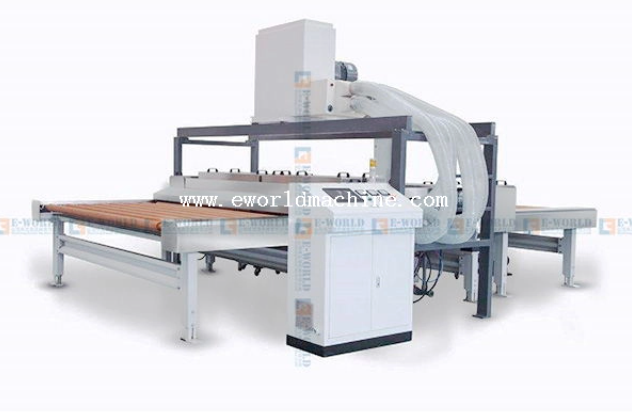
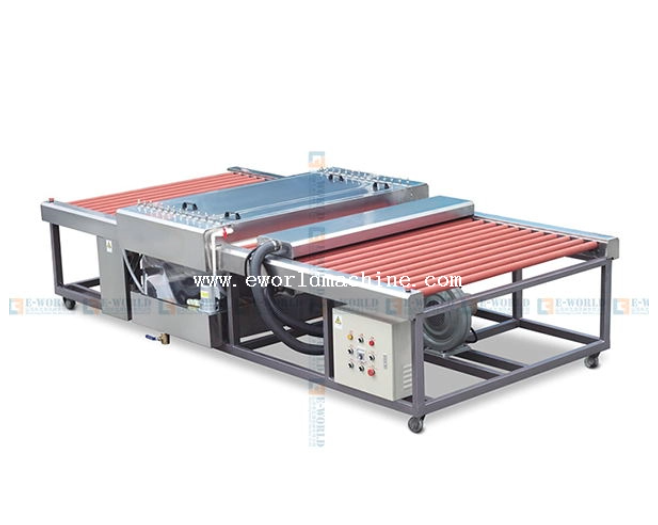
A glass washing machine is a must-have for anyone working with glass, from industrial panels to delicate labware. It efficiently cleans, rinses, and dries glass, removing dust, fingerprints, grease, and residues that can ruin coatings or tempering processes. Whether you run a factory, a restaurant, or a laboratory, choosing the right glass washing machine ensures consistent quality, saves time, and protects your glass. In this guide, we’ll explore how these machines work, their types, benefits, and tips for selecting the perfect model for your needs.
Definition and Purpose of a Glass Washing Machine
So, what exactly is a glass washing machine? In simple terms, it’s a machine designed to clean, rinse, and dry glass efficiently. They handle everything from small drinking glasses in restaurants to large panels in factories.
The main difference between industrial glass washers and commercial glass washers lies in their scale and function. Industrial machines are built for heavy-duty, continuous operations, often cleaning large sheets of glass used in construction or automotive industries. Commercial washers, on the other hand, are smaller, faster, and ideal for everyday use in kitchens, bars, or labs.
At its core, a glass washing machine does three things:
Cleaning: Removes dirt, stains, and residues
Rinsing: Washes off leftover cleaning agents or particles
Drying: Prevents watermarks and streaks using hot or cold air
They are surprisingly good at removing a wide variety of contaminants, such as:
| Contaminant Type | Why It Matters |
| Dust | Can cause scratches or spots |
| Grease | Prevents coating or lamination adhesion |
| Glass powder | Leads to uneven surfaces and defects |
| Oil | Makes glass slippery or stained |
| Fingerprints | Affects clarity and optical quality |
| Slurry or residues | Reduces surface smoothness and appearance |
It doesn’t matter if the glass is a tiny beaker or a large architectural panel, they handle it all. We often see factories and labs relying on them because manual cleaning just doesn’t keep up. They save time, reduce labor, and make sure every piece of glass meets high-quality standards before it goes into tempering, coating, or packaging.

How Does a Glass Washing Machine Work?
Ever wondered how a glass washing machine actually gets glass spotless? Let’s break it down step by step and see the key parts that make it tick.
Core Components of a Glass Washing Machine
A typical machine has several components that handle each stage efficiently:
| Component | Function |
| Transmission system / conveyor belt | Moves glass into the cleaning section smoothly |
| Brushing module | Rotating brushes scrub dirt, grease, and residues |
| Rinsing sections | Fresh water or purified/deionized water removes remaining contaminants |
| Drying system | Hot or cold air blowers dry the surface without leaving streaks |
| Electronic / PLC control system | Monitors all operations and adjusts settings automatically |
Each part plays a role in making sure the glass comes out sparkling, streak-free, and ready for further processing.
Step-by-Step Cleaning Process
Here’s how it cleans glass in stages:
Pre-Wash – Loosens and washes off dust or large debris before the main cleaning.
Brushing – Rotating brushes scrub surfaces mechanically, sometimes with mild chemical solutions.
Water Rinsing – Removes leftover particles, chemicals, or fine dust.
Drying – Air blowers dry glass to prevent water spots or streaks.
Pro tip: Some machines alternate hot and cold air to speed up drying and improve clarity.
Types of Glass Washing Machines
Glass washing machines come in many shapes and sizes. Each type is designed for specific tasks and environments. Let’s explore the main options.
| Type | Ideal Use | Key Feature |
| Vertical Glass Washers | Architectural glass, automotive panels | Saves space, handles high throughput |
| Horizontal Glass Washers | Large flat or processed glass | Stable handling, supports wide glass sheets |
| Low-E Glass Washers | Coated glass, energy-efficient panels | Gentle cleaning, protects delicate coatings |
| Conveyor Glass Washers | Factories, large-scale production | Continuous operation, high-volume capacity |
| Under-Counter Glass Washers | Bars, restaurants, small kitchens | Compact, easy to use, fast cleaning cycles |
| Rack Glass Washers | Mixed glassware, labs, hotels | Adjustable settings, versatile for various glass types |
How Each Type Works
Vertical glass washers move glass vertically through brushes and rinse jets, perfect when floor space is limited.
Horizontal washers carry glass horizontally, making them ideal for wide or fragile panels that need steady support.
Low-E washers use soft brushes and gentle water flow, avoiding scratches on coated surfaces.
Conveyor washers link directly to production lines, automatically moving glass while cleaning continuously.
Under-counter washers fit small spaces, often used for glasses, cups, and bottles in commercial kitchens.
Rack washers let you adjust racks and settings depending on glass size or shape, making them very versatile.
Benefits of Using a Glass Washing Machine
Using a glass washing machine isn’t just about cleaning. It improves quality, efficiency, safety, and even reduces costs. Let’s look at how it makes a difference.
Superior Cleaning Quality
A glass washing machine delivers cleaning results that are hard to achieve manually. It ensures that glass comes out spotless, residue-free, and streak-free, which is essential for any high-quality application. The machine prevents scratches, water spots, and stubborn stains, keeping the glass surface perfect for processes like coating, printing, or tempering. Even delicate or coated glass benefits from the combination of brushes, water jets, and controlled drying.
Increased Efficiency
They save a lot of time compared to manual washing. By handling multiple glass pieces automatically, the machine allows workers to focus on other important tasks. It also reduces labor costs because fewer staff members are needed for washing operations. Production lines become smoother, and throughput increases, making the overall workflow more efficient. Even in high-volume environments, these machines maintain consistent cleaning without slowing down the process.
Enhanced Product Value and Safety
Clean glass isn’t just more attractive—it’s stronger and safer. By removing dust, oil, and residues, a glass washing machine improves adhesion for coatings, laminating, or tempering. It lowers the risk of rejects or waste due to surface defects. The glass also maintains structural integrity and optical clarity, which is crucial for premium applications like architectural panels, automotive windshields, or laboratory glassware. Dirty or unwashed glass can lead to cracks, delamination, or visible distortion, problems that these machines prevent reliably.
Environmental and Energy Benefits
Modern glass washing machines are designed to save water and energy. Many systems recycle water and treat it for reuse, cutting down on waste. Energy-efficient motors and low-consumption blowers reduce electricity costs while keeping operations eco-friendly. Automation also minimizes chemical use and exposure, making the process safer for staff. By combining these features, glass washing machines deliver both operational savings and environmental benefits, whether in commercial kitchens, labs, or industrial plants.

Importance of Glass Washing Machines in Different Industries
Glass washing machines are used across many industries, and each sector relies on them for specific reasons. They are not just cleaning tools—they ensure quality, efficiency, and safety for every application.
Industrial Glass Processing
In industrial settings, glass washing machines are essential for architectural panels, automotive windshields, and decorative glass. These types of glass often go through cutting, edging, or drilling machines before final use, leaving behind dust, slurry, or oil residues. Washing machines remove all contaminants consistently, ensuring surfaces are flawless for coating, tempering, or laminating. Factories benefit from integrating these machines directly into production lines, which reduces defects, saves labor, and improves workflow.
Commercial Use
In commercial spaces like restaurants, bars, hotels, and catering operations, glass washing machines keep glassware spotless and hygienic. They handle delicate items such as wine glasses or cocktail shakers without damage. Laboratories also rely on them to clean beakers, flasks, and other sensitive glassware, maintaining strict cleanliness standards. Using these machines increases speed, consistency, and safety, allowing staff to focus on other tasks instead of spending hours on manual washing.
Specialized Applications
Some glass requires extra care or precision. Solar panel manufacturers, for example, need ultra-clean glass to maximize energy efficiency. Low-E coated glass, commonly used in windows and facades, must be washed gently to prevent surface damage. Even technical or laboratory glassware, like beakers, flasks, and instruments, benefit from precise cleaning to remove residues that could affect experiments or coatings. In all these cases, washing machines ensure surface integrity and functional performance, making them indispensable for specialized applications.
Choosing the Right Glass Washing Machine
Selecting the right glass washing machine impacts cleaning quality, efficiency, and operational costs. Here’s a detailed guide to help you make the best choice based on your needs.
Factors to Consider
Glass size and thickness
The machine must match the dimensions and weight of your glass. Small panes may only need compact washers, while large architectural or automotive panels require horizontal or conveyor washers. Thickness affects brush pressure and water flow settings. Machines that can adjust for different thicknesses prevent breakage and scratches.
Type of glass (coated, laminated, clear, solar)
Coated or Low-E glass needs gentle cleaning to protect delicate surfaces. Laminated glass must be handled carefully to avoid delamination. Standard clear glass allows more aggressive cleaning, while solar panel glass requires ultra-pure water to prevent residue that affects energy efficiency.
Production volume
High-volume operations need machines capable of continuous operation, like conveyor or horizontal washers. Medium or low-volume workshops can rely on rack or under-counter washers. Matching machine capacity to your output prevents bottlenecks and ensures consistent quality.
Space and workflow integration
Consider available floor space and how the machine fits into your production line. Vertical machines save space but may handle smaller glass sizes. Conveyor systems integrate smoothly into automated lines, while compact rack washers work better in commercial kitchens or labs with limited room.
Conclusion
Choosing the right glass washing machine can transform the way you handle glass, making every piece spotless, safe, and production-ready. From industrial panels to delicate labware, the right machine saves time, reduces waste, and keeps operations running smoothly.
At Shandong Eworld Machine Co., Ltd., we offer advanced glass washing solutions designed for reliability, efficiency, and easy integration into your workflow. Explore our range today and see how our machines can help your business achieve higher quality, consistency, and productivity.
FAQ
Q: Why is a glass washing machine important?
A: It removes dust, oil, and residues, ensuring clean, streak-free glass for high-quality processing and reducing defects.
Q: Can it handle different glass thicknesses and sizes?
A: Yes, modern machines are adjustable for various thicknesses and sizes, from small panes to large architectural or automotive glass.
Q: Is washing necessary after edging or drilling?
A: Absolutely. Edging and drilling leave slurry, dust, and oil that must be removed to prevent scratches, stains, or structural defects.
Q: What features make the best glass washing machine?
A: Adjustable brushes, water pressure, drying systems, PLC controls, energy efficiency, and integration with production lines.
Q: How often should it be maintained?
A: Routine checks weekly, with detailed inspections monthly, cleaning brushes, filters, and dryers to ensure consistent performance.