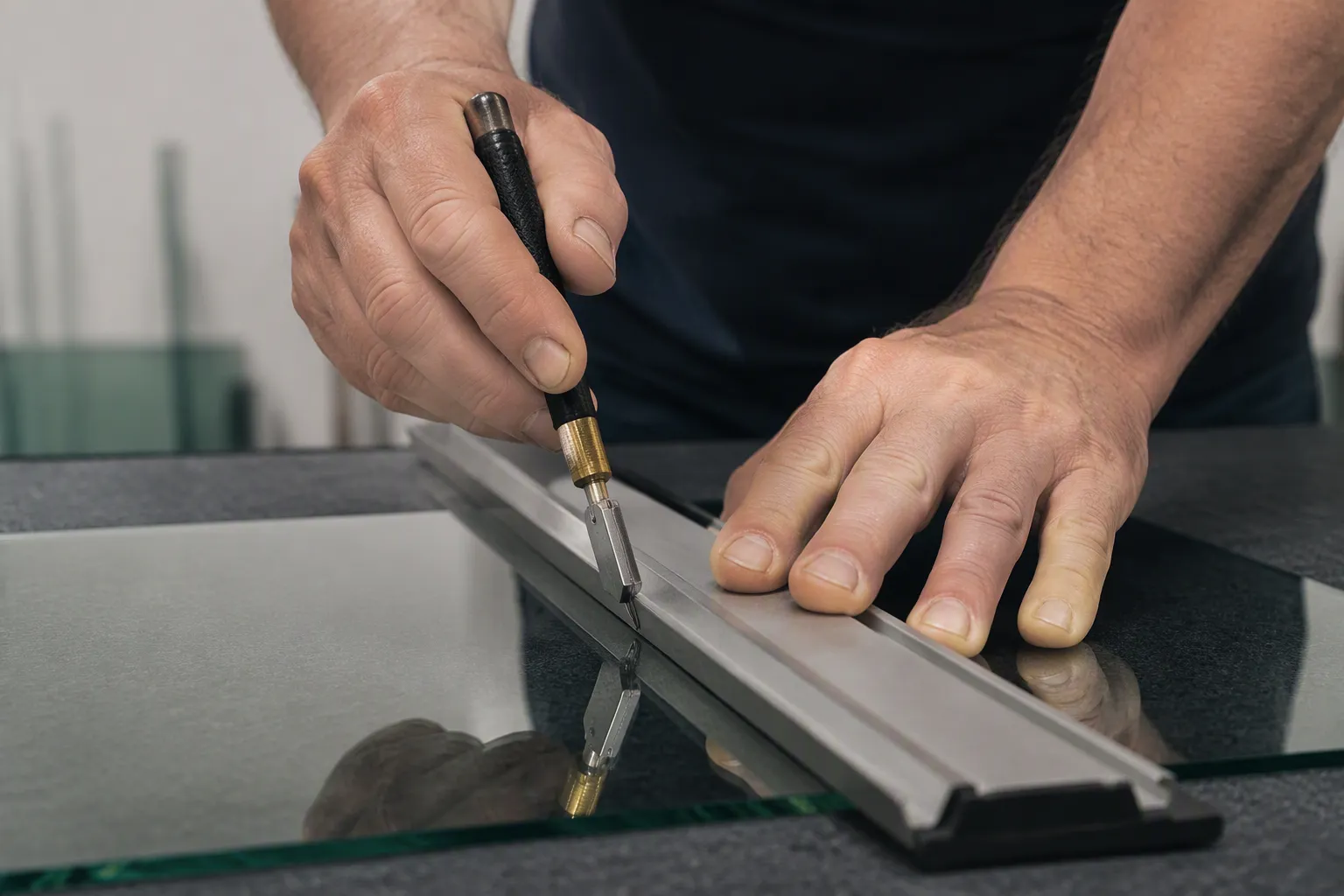
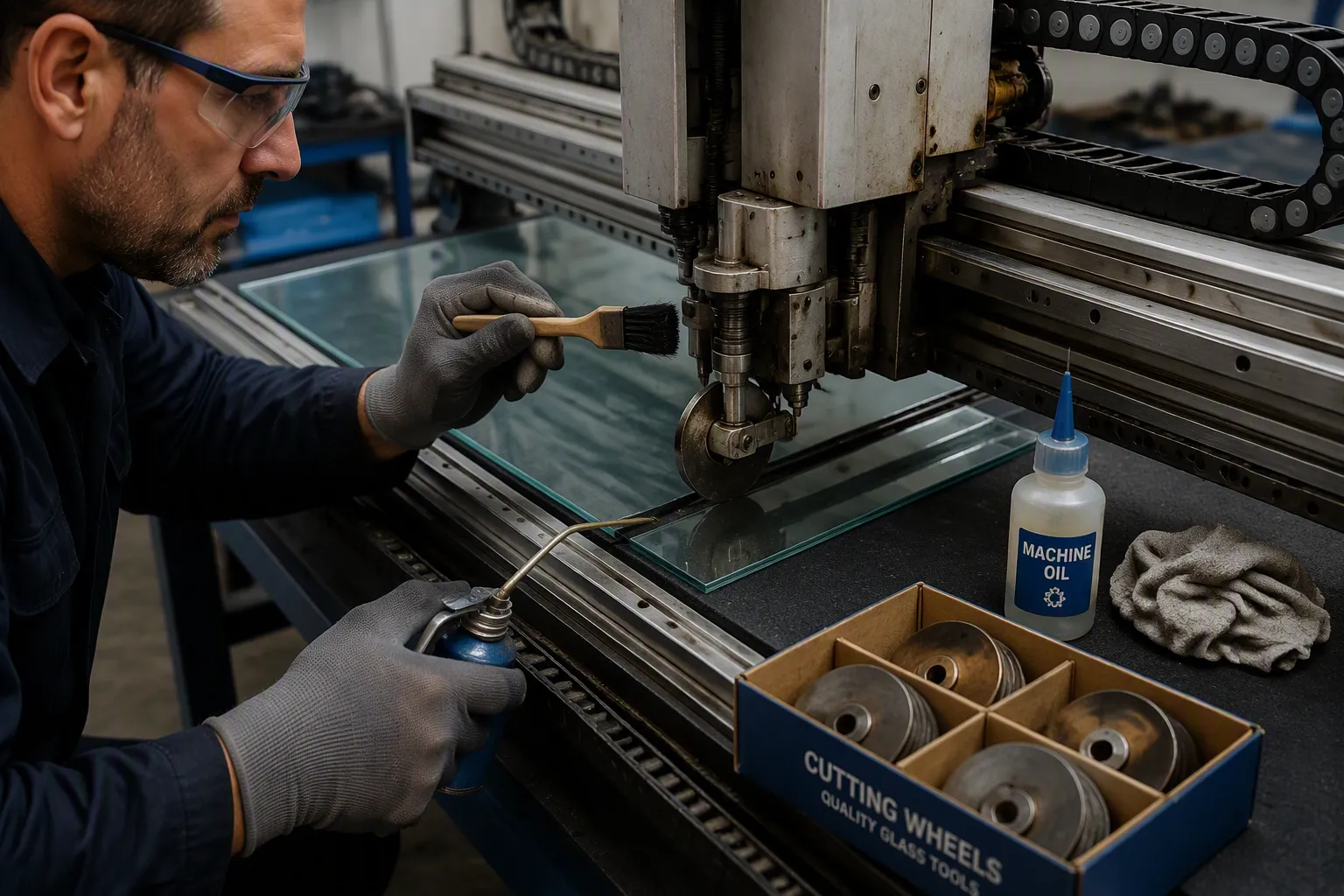
The market has many glass cutting machines, and each one claims to work best. But the right pick is not usually the priciest or the one with the most extras. Your perfect machine depends on three key things: the kinds of glass you cut, how much you cut each day, and the space you have in your shop.
Are you cutting plain glass for picture frames, or are you shaping tough glass for building panels? This difference matters a lot.
This article explains the types of machines, key specs, budget limits, and upkeep needs. When you finish, you will have a clear list to check any glass cutting machine against your shop's needs. Trusted brands like Eworld Machine sell many choices, but you still need to pick the tool that fits your exact jobs.
Key Takeaways
Before you buy a machine, know what glass types you use, how thick they are, how much you cut each day, and how precise you need to be.
Manual tables work best for small jobs; semi-automatic machines fit medium-sized work; CNC handles large amounts and tricky shapes.
Table size, cutting head, and drive system affect cut quality and output.
The total price covers more than just buying the machine. It also includes setup, teaching you how to use it, and regular upkeep over time.
Plan your workshop space for loading, unloading, and safety to prevent accidents.
Clean and oil your machine daily to reduce breakdowns and extend its life.
Don't go for too much automation; manual or semi-auto machines can handle custom jobs more easily.
Check that you can get local support and keep spare parts in stock to reduce downtime.
Assessing Your Workshop's Glass Cutting Machine Needs
Before you look at any machine catalog, you need to know your own shop well. This self-check saves you time and money. You must answer three questions. What glass do you cut? How much do you cut each day? What quality do your customers expect? The answers guide you to the right equipment. Many buyers skip this step. They like features they never use. You will not make that mistake. Start with the basics.
Defining Your Glass Types and Thickness Range
Compatibility with Annealed, Laminated, and Tempered Glass
Not all glass cuts the same way. Annealed glass breaks easily in a straight line. You score it with a wheel and snap it cleanly. Laminated glass has a plastic layer between two glass sheets. You need a machine that cuts both layers and separates the plastic. Tempered glass is the hardest. You must cut it before the tempering process. Cutting it after shatters the whole sheet. Check your material list. If you often process laminated glass, you need a machine with a heating element for the plastic layer. If you only cut annealed glass, a standard cutter works fine.
Minimum and Maximum Thickness Specifications
Every glass cutting machine has a thickness range it can handle. You must match this range to your products. Here is a reference table for common architectural uses:
Application Category
Typical Thickness Range
Residential glazing
4–6 mm
Shower enclosures
6–10 mm
Commercial partitions
10–12 mm
Frameless doors
12 mm+
Architectural panels
12–15 mm
Glass floors
15–25 mm+
Glass stair treads
15–30 mm+
Overhead glazing
19 mm+
Study this table against your current orders. If you cut 4 mm glass for picture frames, a light-duty machine works. If you cut 19 mm overhead panels, you need heavy construction. The machine must score deep enough for thick glass without cracking thin sheets. Check the minimum and maximum thickness in the machine specs. Do not guess.
Calculating Daily Output and Batch Sizes
Manual Scoring for Low Volume Prototypes
You have a small shop. You cut twenty sheets per day. Each sheet is a different size. Manual scoring gives you flexibility. You use a hand cutter with a straightedge. You control the pressure and speed. You adjust for each piece. No programming time is needed. You finish one job and start the next right away. Manual tables cost less than automated systems. They take less floor space. They also need no software training. If your orders change a lot day to day, manual might work best for you.
Automated Systems for High-Volume Repetitive Cuts
You run a production shop. You cut one hundred sheets per day. The same sizes repeat all week. An automated system pays for itself. You load a sheet. The machine scores it automatically. An operator snaps the pieces. The machine moves to the next sheet. Cycle times drop from minutes to seconds. Automation reduces operator tiredness. It also cuts waste by repeating the same path exactly each time. If you see the same shapes week after week, start looking at CNC options.
Evaluating Required Cutting Accuracy and Edge Quality
Tolerances for Decorative vs. Structural Glass
Decorative glass allows wider tolerances. A shelf or a screen can have edges off by one millimeter. No one notices. Structural glass demands tighter control. A door panel or a stair tread must fit exactly. Even half a millimeter matters. A gap causes wobble or seal failure. Check your customer contracts. If they specify tight tolerances, you need a machine with precise positioning. If your work is mostly decorative, you can accept less accuracy.
Impact of Cutting Pressure on Edge Chipping
Cutting pressure directly affects edge quality. Too much pressure creates chipping along the score line. Chipping weakens the edge. It also creates a rough surface. Industry standards set acceptable limits. Minor chipping depth must stay at or below 0.3 mm. Mobile cover glass needs even tighter control at 0.1 mm. Severe chipping over 1 mm is a failure. You measure this with a 50x microscope. The reference standards are GB/T 9963-2013 and EN 12150-1:2015. Adjust your cutting pressure to stay within these limits. A machine with precise pressure control helps you avoid rejects.
Comparing Glass Cutting Machine Types
You now know what your workshop needs. The next step is learning what each machine type can do. The market has three main groups: manual tools, semi-automatic bridge cutters, and fully automated systems. Each group fits a different production size. Each has its own strengths and limits. Your job is matching your needs to the right group.
Manual Cutting Tables and Hand Tools
Straightedge and Hand-Held Cutters for Small Shops
Manual cutting tables are the base of small workshops. You use a straightedge as your guide. You run a hand-held cutter along that edge to score the glass. This method works well for shops making fewer than twenty sheets each day. You control every move. You feel the wheel push against the glass surface. This touch helps you change pressure for different glass thicknesses. A manual table costs much less than automated systems. It needs no power beyond basic lighting. It also needs no software skills. You train a new worker in hours, not weeks.
The straightedge itself matters more than most people think. A warped or bent guide ruins every cut you make. Buy a heavy-duty aluminum straightedge with a rubber base. The rubber stops slipping and protects the glass surface from scratches. You also need a quality cutting head with a sharp wheel. Replace the wheel often. A dull wheel makes shallow scores that cause uneven breaks.
Ergonomics and Grip Comfort for Reducing Fatigue
Manual cutting takes physical effort. You stand for hours. You lean over the table. You push the cutter across glass sheets again and again. Poor ergonomics cause fatigue. Fatigue leads to mistakes. Mistakes create waste. Choose a table height that matches your elbow level. Your forearm should rest level with the table surface. This position reduces shoulder strain. The cutter handle also matters. Look for a grip that fits your hand well. Rubberized handles absorb vibration. Ergonomic angles keep your wrist straight during long cutting sessions. Some workers like pistol-grip handles. Others like pencil-grip models. Test both styles before buying. Your body will tell you which one works best.
Semi-Automatic Bridge Cutters
Pneumatic Pressure Control for Consistent Scoring
Semi-automatic bridge cutters are the middle ground. A bridge spans across the table. The cutting head moves along this bridge. You place the glass by hand. The machine then scores the line with steady pressure. Pneumatic systems control this pressure exactly. You set the pressure once for a specific glass thickness. The machine repeats that exact pressure for every cut. This consistency removes the variation that comes from hand cutting. One operator can make hundreds of identical pieces per day. The machine handles the repetitive motion. You focus on loading sheets and removing finished pieces.
These machines work best in shops that process standard sizes often. You cut the same dimensions for window makers or mirror producers. The setup time takes minutes. You adjust the cutting head position, set the pressure, and start production. Changeovers between different sizes need simple adjustments. This flexibility makes bridge cutters popular among growing workshops.
Balancing Speed with Operator Skill Requirements
Bridge cutters do not remove the need for skilled operators. You still need someone who understands glass behavior. The operator must know how to place sheets correctly. They must see when a score line looks wrong. They must handle the breaking process after scoring. The machine speeds up the scoring phase. It does not automate the whole process. You still need steady hands for snapping the glass along the score line. A skilled operator makes clean breaks. An inexperienced one creates chipped edges and broken pieces.
The learning curve for bridge cutters is moderate. Most operators learn the basics within a week. Full skill takes longer. They learn to read the subtle signs of cutting quality. They adjust pressure settings for different glass types. They build a rhythm that boosts output without losing quality.
Fully Automated CNC and Waterjet Systems
Software Integration for Complex Shapes and Patterns
Fully automated systems take glass cutting to another level. CNC machines use computer software to control every move. You upload a design file. The machine cuts the shape on its own. These systems handle complex shapes that manual methods cannot achieve. Curved lines, detailed patterns, and exact angles become normal tasks. The software plans the cutting path to reduce waste. It fits multiple parts on a single sheet. This nesting ability lowers material costs a lot.
Positioning accuracy on these systems is amazing. High-end industrial CNC glass cutting equipment reaches tolerances of ±0.15 mm. That precision ensures every piece matches the design specs exactly. Some systems reach about ±1/64 inch accuracy, which is about ±0.4 mm. This level of repeatability matters for architectural projects where panels must fit together perfectly.
Waterjet vs. Diamond Wheel Cutting for Specialty Glass
CNC systems use two main cutting methods. Diamond wheel cutting scores the glass surface. The machine then breaks the sheet along the scored lines. This method works well for straight cuts and simple shapes. Waterjet cutting uses a high-pressure stream of water mixed with abrasive particles. This stream wears away the glass along the cutting path. Waterjet systems handle thicker glass and more complex shapes. They also cut laminated glass without the plastic layer causing issues.
Waterjet cutting speeds vary by material and thickness. For softer materials like glass, some systems reach cutting speeds up to 90 inches per minute. Other makers report maximum speeds reaching 3,000 mm per minute. These speeds make waterjet systems ideal for high-volume production. The trade-off comes in operating costs. Waterjet systems use a lot of energy and water. They also need regular maintenance of the high-pressure pumps and nozzles.
Eworld Machine offers CNC glass cutting machines, laminated glass cutting machines, and optical glass cutting machines. These options serve different production sizes. A small workshop handling varied custom orders might find a manual table more cost-effective than a CNC system. The automation investment only pays off when you have steady, repeatable production volumes. Think about your daily output honestly. Do not buy a machine that sits idle most of the day. Match the technology to your real workflow, not your hopes.
Key Specifications for Precision Cutting
Cutting Table Dimensions and Work Area
Matching Table Size to Largest Glass Sheet
Your cutting table must fit your biggest regular glass sheet. Measure your largest incoming sheet before you shop. Leave extra space on all sides so the cutting head can move past the glass edge. A table that barely fits your sheets forces awkward positioning. You waste time adjusting each sheet. You also risk hitting the table frame with the cutting head. Most manufacturers list the maximum sheet size their table accepts. Compare that number against your actual material. Remember that you might grow into larger sheets later. A slightly oversized table costs more now but saves you from buying a new machine sooner.
Break-Out Tables and Air Flotation Systems
The table surface affects your workflow more than you might expect. A flat, solid surface supports the glass during scoring. After scoring, you need to break the sheet along the line. Some tables include a break-out bar. This bar sits under the score line. You press down on both sides of the glass, and it snaps cleanly. Air flotation systems add another advantage. Small air jets push the glass slightly above the table surface. You can slide heavy sheets into position without lifting them. This feature reduces physical strain and speeds up loading. It also prevents scratches on the glass underside. Check whether the air system covers the full table or only part of it.
Cutting Head Technology and Scoring Wheels
Carbide vs. Diamond Wheels for Different Glass Types
The cutting wheel determines your score quality. Carbide wheels work well for standard annealed glass up to about 6 mm thick. They stay sharp for a reasonable time and cost less to replace. Diamond wheels handle thicker glass and harder materials. They also last longer between changes. For laminated glass, you need a wheel that cuts through both layers cleanly. Harder wheels suit thicker glass because they penetrate deeper. Softer wheels work better for thin or delicate glass. They create a shallower score that prevents cracking. Match your wheel hardness to your most common glass thickness. Keep spare wheels on hand for different jobs.
Adjustable Cutting Angle and Pressure Settings
A good cutting head lets you adjust both angle and pressure. The standard cutting angle sits at about 135 degrees for most glass. Thicker glass sometimes needs a steeper angle for deeper penetration. Pressure control matters just as much. Too little pressure leaves a shallow score that breaks unevenly. Too much pressure causes chipping along the edge. Pneumatic systems give you precise pressure adjustment. You set the pressure once for each glass type and thickness. The machine then repeats that exact pressure for every cut. Manual cutters rely on your hand pressure, which varies through the day as you tire.
Drive System and Positioning Accuracy
Rack-and-Pinion vs. Ball Screw Mechanisms
The drive system moves your cutting head across the table. Rack-and-pinion systems use a gear that runs along a toothed rail. They move fast and handle long distances well. Ball screw mechanisms use a threaded rod with recirculating balls. They offer smoother motion and better precision over shorter distances. For glass cutting, you need a balance of speed and accuracy. Rack-and-pinion systems work well for straight cuts across large sheets. Ball screws excel at detailed patterns where every millimeter counts. Ask the manufacturer which system their machine uses. Verify that the components come from reputable suppliers.
Linear Encoders for Repeatable Precision
Linear encoders measure the exact position of your cutting head. They send feedback to the control system. This feedback loop corrects any drift during movement. Without encoders, your machine relies on motor steps alone. Small errors accumulate over long cuts. The result is a line that drifts off course. With encoders, the machine knows its position at all times. It makes micro-adjustments continuously. This technology delivers the repeatable precision you need for production work. Eworld Machine's CNC systems use precision linear guides and servo motors to ensure this level of accuracy. You should verify these components on any machine you consider. Ask for the positioning tolerance in writing before you commit to a purchase.
Budgeting for Your Glass Cutting Machine Purchase
The price tag on a machine is the first thing you notice. But the real cost of owning a glass cutting machine includes more than that. You also need to pay for installation, training, and ongoing costs. These extra costs can grow quickly. A machine that seems affordable at first might end up costing more over time. Eworld Machine, a top maker in China, offers fair prices for mid-to-high-end models. Still, you must add in shipping and setup fees.
Initial Price Ranges by Machine Category
Entry-Level Manual Tables Under $5,000
Manual cutting tables are the cheapest option. You can find good ones for under $5,000. These tables come with basic parts. You provide the hand cutter and straightedge. This setup suits small shops with low daily output. You make about twenty cuts per day. You handle each sheet by hand. The small investment means less financial risk. You earn back your money fast. But you must accept slower work and more physical effort. The lower price also means fewer features. You do not get air flotation or break-out bars.
A table in this range is a good starting point. You learn the basics of glass cutting without spending a lot. Many successful shops begin this way. They upgrade only when order volume grows.
Mid-Range Semi-Automatic Units from $15,000 to $40,000
Semi-automatic bridge cutters cost between $15,000 and $40,000. These machines offer pneumatic pressure control. They make your cuts more consistent. You reduce operator tiredness. Your output rises without hiring more staff. This price range gives you the best mix of cost and capability for most growing shops. You get a strong bridge, a dependable cutting head, and enough precision for standard jobs.
Eworld Machine offers competitive prices in this range. Their models include features you would expect from pricier brands. You should still check shipping costs and installation fees. These extra costs differ by location. Get a written quote that includes everything.
High-End CNC Systems Exceeding $100,000
CNC systems start above $100,000. They can go much higher for large models. These machines handle complex shapes and high volumes. They connect with design software. They cut over and over with little human effort. You spend a lot on speed and precision. But you only gain if your production volume justifies the cost. A CNC system that runs half the day wastes your money. You pay for speed you do not need.
The cheapest option often leads to more waste and downtime. The most expensive machine may sit unused. Find the middle ground that fits your real output.
Hidden Costs of Installation and Training
Electrical Requirements and Compressed Air Supply
Every machine needs power. Manual tables need only basic lighting. Semi-automatic and CNC systems need specific electrical setups. You might need to add new wiring. You might need a separate circuit. The cost of an electrician adds up. Pneumatic parts need compressed air. You must buy or rent a compressor. You must also run air lines to the machine. These costs often surprise new buyers. Ask the maker for a full list of needs before you commit.
Operator Training Time and Software Licensing Fees
A new machine does not run by itself. Your team needs training. Manual tables need only hours of practice. Semi-automatic systems need a few days. CNC systems need weeks or months. During training, your output drops. Your skilled workers become beginners again. This downtime costs you money. Software licensing fees add another cost. Some CNC packages charge yearly fees for updates and support. Others charge for each software seat. Ask about these fees before you sign.
Calculating Return on Investment (ROI)
Labor Cost Savings vs. Machine Throughput
ROI math compares your savings against your spending. A new machine lowers labor costs per sheet. You cut more glass with fewer people. Figure out your current labor cost per sheet. Then estimate the cost with the new machine. The difference times your daily volume gives your monthly savings. Divide the machine cost by this number. That tells you how many months to pay back. A payback period under 18 months is good. Anything over three years needs careful thought.
Scrap Reduction from Improved Cutting Accuracy
Better accuracy means less waste. A manual operator might ruin one sheet in twenty. A CNC system might ruin one in two hundred. Each broken sheet costs you material and labor. Calculate your current scrap rate. Estimate the rate after buying the machine. Multiply the difference by your daily output and material cost. The savings add up fast. This reduction alone often covers the machine payment. You also get happier customers from steady quality. That goodwill has real value for your business.
Workspace Integration and Safety Planning
A glass cutting machine does not work by itself. It needs room around it. It needs clean air. It needs safety gear. You must plan the whole shop, not just the machine. Many buyers only think about the table size. They forget about loading space, storage racks, and dust control. These details affect your daily work and how long your machine lasts.
Floor Space and Workflow Layout
Clearance for Glass Loading and Unloading
Your machine needs space on all sides. You need room to bring glass sheets in. You need room to take finished pieces out. A good rule is to leave at least three feet of open space on the loading side. This space lets you move large sheets without hitting walls or other tools. You also need room behind the machine for breaking the glass. Workers stand there to snap scored glass along the cut lines. Tight spaces force awkward moves. Awkward moves cause accidents and broken glass.
Measure your workshop before you order any machine. Mark the machine's footprint on the floor with tape. Walk around that marked area with a sample glass sheet. Test your movements. This simple check shows space problems before you spend money.
Positioning Relative to Storage and Edging Stations
Think about how glass moves through your shop. Raw sheets arrive at the storage rack. Workers move them to the cutting machine. Cut pieces go to the edging station. This path should move in one direction. Avoid paths where workers carry glass past each other. Place the cutting machine between your raw glass storage and your edging tools. This setup creates a natural production line. You cut down carrying distance. You also lower the chance of two workers bumping into each other while holding glass.
Eworld Machine offers pre-sales help to plan your workshop layout. This service is useful for first-time buyers. You get expert advice on machine placement, clearance zones, and workflow direction before you buy.
Dust and Glass Particle Management
Vacuum Systems and Filtration Units
Glass cutting makes fine dust. These tiny bits float in the air. They land on machine surfaces. They get into moving parts. A vacuum system removes these bits at the source. You should connect your cutting machine to a dust collector. The unit pulls air through filters and traps glass dust. Clean air goes back into the workshop. This system protects your workers' lungs. It also keeps your machine clean.
Protecting Machine Bearings and Rails from Contamination
Glass dust acts like sandpaper on machine parts. It wears down bearings. It scratches guide rails. It blocks sensors. Once dirt builds up, accuracy drops fast. You see uneven cuts. You hear odd noises from the drive system. These signs mean damage is already happening. Regular cleaning stops this problem. Wipe down exposed rails at the end of each shift. Check air filters weekly. Replace them when they look dirty. A small cleaning routine takes minutes each day. It saves you thousands in repair costs later.
Operator Safety Features
Light Curtains and Emergency Stop Mechanisms
Glass cutting machines move with force. A cutting head can hurt a hand that gets in the way. Light curtains create an invisible safety barrier. When something breaks the beam, the machine stops right away. You should look for machines with light curtains on all loading sides. Emergency stop buttons must sit within easy reach. Place them at both ends of the machine. Test these safety features often. A safety system that fails during an emergency is worse than no system at all.
Enclosed Cutting Areas for Waterjet Systems
Waterjet cutting systems need extra protection. They spray water and abrasive bits at high pressure. This spray can hurt anyone standing close. Enclosed cutting areas keep the spray inside a sealed chamber. You load glass through a door or window. The machine cuts inside the enclosure. You take out the finished piece after the cycle ends. This design keeps operators safe from the high-pressure stream. It also holds in the noise and mist from cutting. If you pick a waterjet system, check that the enclosure meets current safety rules for pressure equipment.
Maintenance Routines and Common Mistakes to Avoid
Your glass cutting machine works hard every day. It needs regular care. If you skip maintenance, it breaks down. Breakdowns stop your work. They also cost you money to fix. A simple daily routine stops most problems. You need to clean, check, and oil the parts. These tasks take minutes. They save you days of lost time later.
Daily and Weekly Maintenance Schedules
Cleaning Cutting Heads and Replacing Worn Wheels
Start each day with a quick check. Look at the cutting head. Remove any glass dust or dirt you see. This dust acts like sandpaper on moving parts. It wears down bearings and scratches guide rails. When dirt gets into important parts, it speeds up damage and can cause sudden failure. A clean machine runs smoother and lasts longer.
Check your cutting wheel every morning. A dull wheel makes shallow cuts. Shallow cuts cause uneven breaks. Replace the wheel as soon as it shows wear. Using low-quality cutting wheels gives poor results and puts more stress on the machine. Always use parts the maker recommends. They fit right and work as designed. Keep spare wheels near the machine so you can swap them quickly.
Lubricating Guide Rails and Drive Chains
Weekly oiling keeps your machine moving smoothly. Apply the recommended oil to guide rails and drive chains. This cuts down friction between moving parts. It also stops rust and corrosion. Follow the maker's schedule for oiling. Different machines need different timing. Some need weekly care. Others need monthly service. Write the schedule down and post it near the machine. Pick one person to handle this task. That way, nothing gets forgotten.
Parts wear out over time. They break down with use. This wear leads to shaking, misalignment, and uneven cuts. Regular oiling slows this process. It keeps your machine accurate longer. You also catch small problems before they become big ones. A loose bolt or worn belt is easy to fix early. Ignoring it leads to sudden breakdowns that stop work for days.
Avoiding the Trap of Over-Automation
When Manual Control Offers More Flexibility
Automation sounds good. It promises speed and steady quality. But automation does not fit every workshop. Manual control gives you flexibility that machines cannot match. You can change your method instantly. You adjust to each unique piece of glass. You handle custom orders without reprogramming. For low-volume special work, manual tables are still the right choice. They only become a bottleneck when daily output goes over 500 square meters. Below that level, they work well for you.
Fixing machines only after they fail is one of the biggest causes of long downtime. Without a plan to prevent problems, small issues turn into big breakdowns. This applies to manual and automated machines alike. You must take care of whatever equipment you own.
Software Complexity Outweighing Production Simplicity
CNC systems bring software complexity. You need training to run them. You need updates and licenses. You need someone who understands the technology. For simple production runs, this complexity slows you down. A semi-automatic or manual machine finishes the job faster. You skip the programming step entirely. You also avoid the risk of software errors. Electrical and control system failures cause major downtime in glass shops. A small sensor problem can lead to wrong cuts or a full machine stop. Simpler machines have fewer parts that can break.
Sourcing Replacement Parts and Technical Support
Verifying Local Service Availability Before Purchase
Before you buy any machine, check the support network. Who fixes the machine in your area? How fast can they come? A machine without local support becomes a problem. You wait weeks for repairs. Your work stops during that time. Ask the maker about their service coverage. Eworld Machine offers after-sales technical support and spare parts. This support matters for long-term maintenance planning. You want a partner who helps you keep running.
Stocking Critical Spare Parts Like Belts and Sensors
Keep important spare parts on hand. Belts, sensors, and cutting wheels wear out often. Having replacements ready lets you fix things quickly. You avoid waiting for shipping. You also avoid paying rush delivery fees. Ask the maker which parts fail most often. Stock those items first. Store them in a clean, dry place. Label everything clearly. Train your team on how to replace these parts. This preparation turns a possible week-long shutdown into a one-hour repair.
Poor operator training leads to wrong machine setup and bad settings. Human error is a top cause of avoidable downtime in glass plants. Spend time training your workers. Teach them good cutting methods. Show them how to use the right pressure. Explain why scoring in one continuous line matters. Show how cutting oil reduces friction and improves cut quality. Remember to clean the glass after cutting. These small lessons prevent costly mistakes.
Your right machine matches your glass types, daily volume, and budget. A mid-range semi-automatic model often serves growing workshops well. Choose one that allows future expansion.
Build a shortlist of three machines. Request live demos with your own glass samples. The cheapest option leads to costly downtime. The most advanced machine may sit underused.
A precision machine pays for itself quickly. Defect rates drop from 14% to under 3%. Monthly waste falls from $7,000 to $1,400. Those savings add up fast. Partner with a trusted manufacturer like Eworld Machine. Their quality equipment and after-sales support provide peace of mind for years.
FAQ
Can you cut tempered glass with a cutting machine?
No. You must cut and shape tempered glass before the tempering process begins. Cutting it after tempering causes the entire sheet to shatter instantly. Plan your workflow accordingly.
How often should you replace cutting wheels?
Replace your cutting wheel when you notice shallow scores or rough edges. A dull wheel causes uneven breaks and chipping. Check it every morning. Keep spare wheels near the machine for quick swaps.
What cutting oil should you use?
Use a standard cutting oil designed for glass. It reduces friction and improves score quality. Common options include kerosene or WD-40. Clean the glass surface after cutting to remove residue.
Can one machine handle both small custom jobs and large production runs?
Semi-automatic bridge cutters offer the best balance for mixed workloads. Manual tables give more flexibility for unique pieces. Fully automated CNC systems excel at repetitive high-volume work but require more setup time.
How long does it take to learn a CNC glass cutting machine?
Manual cutting takes hours to learn basic skills. Semi-automatic bridge cutters need a few days of training. CNC systems require weeks or months. During training, your output drops. Factor this downtime into your purchase decision.
How do you know when cutting pressure is wrong?
Too much pressure creates chipping along the score line. Too little pressure leaves a shallow score that breaks unevenly. Check your edges under a microscope. Adjust pressure until chipping stays below 0.3 mm for standard work.