Choosing the right glass washing machine is essential for ensuring streak-free, spotless glass while maintaining workflow efficiency. Whether you’re considering a vertical glass washer for delicate stemware and insulated glass units or a horizontal glass washing machine for high-volume flat panels, understanding each type’s advantages helps reduce breakage, save time, and improve productivity. In this guide, we’ll explore the differences, practical applications, and key considerations, helping glass processors, restaurants, and commercial kitchens select the perfect washer for their operation.
Operation Style and Workflow Adaptability
Vertical Glass Washing Machines hold glasses upright, allowing water and cleaning solutions to reach every surface evenly. They are excellent for tall stemware, large laminated panels, insulated glass units (IGUs), and other delicate or irregular glass types. Operators can monitor glass quality mid-cycle, quickly spotting water spots or streaks. Upright orientation reduces tipping and collisions, ensuring fragile glasses remain intact during washing.
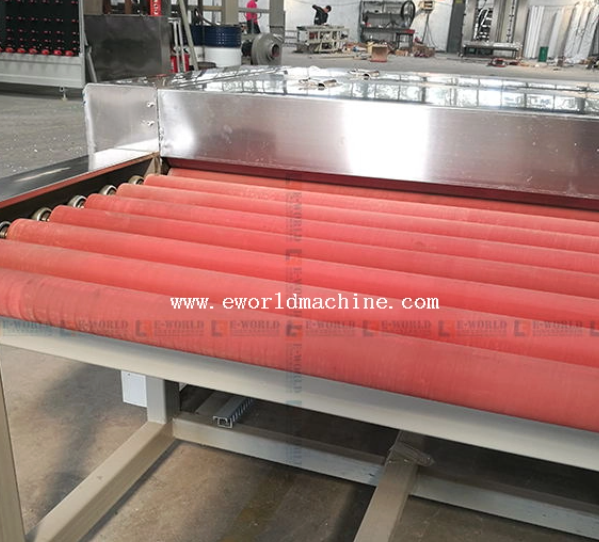
Horizontal Glass Washing Machines, on the other hand, process flat sheets horizontally. They are ideal for high-volume production lines handling standard windows, medium-sized panels, or mirrored sheets. Proper alignment is critical; otherwise, scratches or breakage can occur. These machines prioritize speed and continuous operation, making them a good choice for consistent industrial batches.
| Feature | Vertical Glass Washer | Horizontal Glass Washer |
| Glass Orientation | Upright, natural water drainage | Flat, aligned on conveyor |
| Ideal Glass Types | Tall stemware, IGUs, laminated panels | Standard sheets, medium-sized windows |
| Workflow Monitoring | Visual inspection mid-cycle | Requires pre-check, less real-time |
| Breakage Risk | Low, gentle handling | Medium, careful placement required |
| Production Focus | Flexible batches, mixed glass types | Continuous high-volume processing |
Maintenance and Longevity Considerations
Vertical washers often have fewer moving parts, making routine maintenance simpler. Brushes, air knives, and high-pressure nozzles are accessible, reducing downtime for cleaning or replacement. This also means operators spend less time on maintenance, improving overall efficiency.
Horizontal washers include long conveyors and multiple rollers to support heavy glass sheets. While they handle bulk processing effectively, these components require regular inspection and lubrication. Ignoring preventive maintenance can lead to conveyor misalignment or glass breakage, which may disrupt high-volume workflows.
| Feature | Vertical Glass Washer | Horizontal Glass Washer |
| Component Access | Easy, fewer moving parts | More complex, rollers/conveyors |
| Routine Maintenance | Faster and simpler | Requires more time and skill |
| Durability | Long-lasting with proper care | Robust but sensitive to neglect |
| Labor Requirement | Moderate, fewer staff needed | Higher, skilled personnel preferred |

Space Optimization and Layout Flexibility
Vertical Glass Washing Machines are tall and narrow, making them ideal for facilities with limited floor space, such as small bars, compact kitchens, or retrofitted production lines. They can be positioned in corners or next to other equipment, minimizing workflow disruption.
Horizontal Glass Washing Machines need a wider footprint. They are best suited for dedicated production lines in larger facilities where floor space is abundant. While they allow continuous high-volume cleaning, their layout is less flexible and future upgrades may require significant reconfiguration.
| Feature | Vertical Glass Washer | Horizontal Glass Washer |
| Footprint | Compact, tall | Wide, requires open space |
| Layout Flexibility | High, fits corners or small areas | Moderate, needs large workspace |
| Facility Fit | Small bars, retrofits, tight workshops | Large factories, high-volume lines |
| Expansion Potential | Easy to add modules | Requires re-layout for growth |
Handling Glass Variety and Production Complexity
Vertical washers excel at washing large, tall, or fragile glass types, including IGUs, laminated panels, specialty decorative glass, and delicate stemware. Their upright design keeps fragile pieces secure and reduces the risk of tipping. They are ideal for glass processing factories, bars, and restaurants that serve multiple glassware types.
Horizontal washers handle flat, standard glass sheets efficiently, perfect for windows, medium panels, or mirrored glass in continuous batches. While they are less suitable for fragile or irregular shapes, they maximize throughput for standard industrial applications.
| Feature | Vertical Glass Washer | Horizontal Glass Washer |
| Glass Types Supported | IGUs, laminated, stemware, decorative | Standard flat sheets, medium panels |
| Handling Complexity | Handles irregular shapes | Requires standard sheet alignment |
| Breakage Risk | Low, gentle support | Medium, careful positioning required |
| Production Focus | Mixed glass batches, specialty projects | High-volume standard production |
Drying Control and Spot Management
Vertical washers often use air knives and high-pressure hot air. This ensures water drains naturally, leaving minimal spots or streaks. Delicate coatings, such as low-E or laminated finishes, remain intact. Operators can also inspect the glass mid-cycle to verify cleanliness.
Horizontal washers rely on heating elements or air-drying systems, which suit standard sheets. They are fast and efficient for bulk production but may require extra care for coated or tall glass to prevent streaks.
| Feature | Vertical Glass Washer | Horizontal Glass Washer |
| Drying Method | Air knife, high-pressure hot air | Heating elements, air-drying |
| Spot-Free Cleaning | Excellent, minimal marks | Good, may need careful handling |
| Glass Coatings Compatibility | Coated, low-E, laminated | Standard sheets only |
| Operator Monitoring | Easy mid-cycle inspection | Limited real-time observation |
Decision Factors Beyond Cleaning
When selecting a washer, consider:
Operator Comfort: Vertical washers reduce bending and lifting, minimizing fatigue.
Workflow Integration: Ensure the washer orientation matches your production line.
Energy and Water Efficiency: Vertical washers often recycle water; horizontal washers optimize bulk energy use.
Future Expansion: Vertical machines fit compact spaces; horizontal setups suit bulk production but require more space for scaling.

Partnering with the Right Supplier
Shandong Eworld Machine Co., Ltd. offers both Vertical Glass Washing Machine and Horizontal Glass Washing Machine solutions, designed for high efficiency, gentle handling, and space optimization. Their machines are built to reduce breakage, save labor, and deliver streak-free glass consistently. No matter the workflow or glass type, Shandong Eworld Machine Co., Ltd. provides tailored solutions to maximize productivity and maintain top-quality cleaning standards.
Conclusion
Selecting the ideal glass washing solution doesn’t have to be overwhelming. By weighing your workflow, glass types, and space constraints, you can confidently choose between a vertical or horizontal glass washing machine that meets your unique needs. Consider how each option impacts efficiency, breakage risk, and real-time monitoring to make smarter operational decisions.
For tailored solutions that balance performance and care, Shandong Eworld Machine Co., Ltd. offers a full range of machines designed for streak-free cleaning, gentle handling, and optimized workflows. Reach out today to see how their equipment can elevate your glass processing or commercial kitchen operations.
FAQ
Q1: Which machine is better for limited floor space?
Vertical glass washing machines are more compact and tall, making them ideal for facilities with limited floor space, such as small bars or retrofitted production lines.
Q2: How do vertical washers prevent streaks and spots?
Vertical washers use air knives and high-pressure hot air to ensure natural water drainage, resulting in minimal streaks and protecting delicate coatings such as low-E or laminated finishes.
Q3: Are horizontal washers suitable for high-volume production?
Yes, horizontal glass washing machines are designed for continuous operation and high-volume processing, making them efficient for standard industrial applications.
Q4: What maintenance considerations should I keep in mind?
Vertical washers generally have fewer moving parts and are easier to maintain, while horizontal washers include conveyors and rollers that require regular inspection, lubrication, and preventive care.
Q5: Can operators monitor glass quality during the cleaning process?
Yes, vertical washers allow operators to visually inspect glass mid-cycle, while horizontal washers provide less real-time monitoring, requiring pre-checks before cleaning.