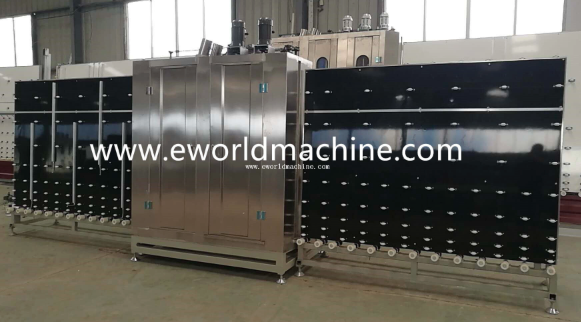
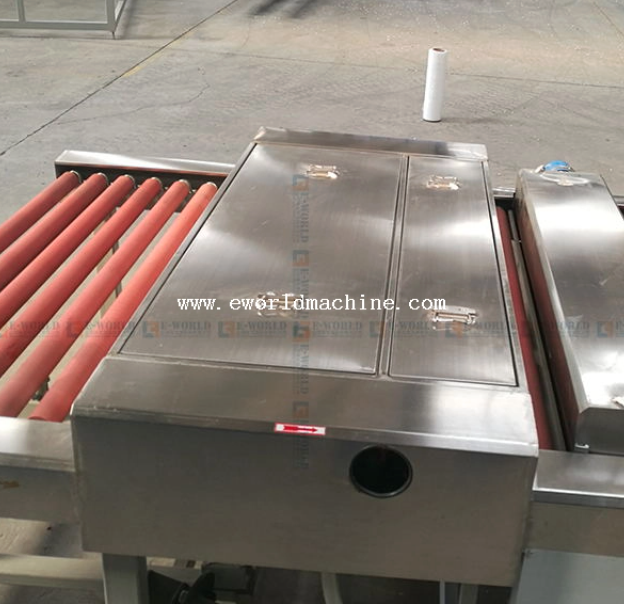
Vertical Glass Washing Machine and Horizontal Glass Washing Machine are essential tools in modern glass processing, food service, and commercial kitchens. Choosing the right type affects glass quality, cleaning efficiency, and workflow. Are you unsure which washer suits your operation? In this guide, we’ll explore key differences, applications, and industry use cases. From delicate stemware in restaurants to large laminated panels in factories, understanding vertical and horizontal glass washers helps you make informed decisions and optimize every cleaning process.
Why Glass Washing Machines Are Essential
Keeping glass clean is more than looks. It affects quality, hygiene, and safety in every setting. In restaurants, bars, or factories, dirty glass can ruin a drink or even a product. Clean glass makes a big difference—they show care, professionalism, and attention to detail. Poorly cleaned glass can cause more problems than you think. Streaks or water spots leave a messy appearance. Contamination risks rise when germs or residues remain. They can affect customers in food and beverage environments or damage coatings and finishes in glass processing factories. Even tiny smudges matter when precision is key.
Automated glass washers help solve these problems efficiently. They clean every surface consistently, faster than manual washing ever could. They handle tall, delicate, or large glass and adjust water pressure, drying, and speed automatically. They reduce human error and free up staff for other tasks.
| Feature | Manual Washing | Automated Glass Washing |
| Cleaning Consistency | Variable, often streaks | Always uniform, streak-free |
| Time Efficiency | Slow, labor-intensive | Fast, handles many glasses at once |
| Hygiene | Higher risk of contamination | Sanitized thoroughly every cycle |
| Delicate Glass Handling | Risk of breakage | Gentle, precise support systems |
| Resource Usage | More water, detergent | Optimized and recycled water |
They also improve workflow in busy kitchens and factories. Staff spend less time scrubbing, they can focus on other tasks, and the operation runs smoother overall.

Key Comparison Factors Between Vertical and Horizontal Glass Washers
Choosing the right glass washer isn’t just about cost. It affects efficiency, glass quality, and workflow in your factory or commercial space. Vertical and horizontal machines handle glass very differently. Knowing how each performs helps you decide which suits your operations and production style.
Cleaning Orientation and Efficiency
Vertical washers hold glass upright. This orientation allows water and cleaning solutions to circulate evenly around every surface. It reaches inside delicate, tall, or intricately shaped glasses. Because of this, it’s gentle and reduces the risk of scratches or damage. Even large laminated panels or insulated glass units (IGUs) come out spotless.
Horizontal washers lay glass flat. They shine in high-volume production, handling many sheets quickly. Standard flat panels, windows, or medium-size sheets can pass through continuously without slowing down operations. They work best when speed matters more than handling delicate shapes.
| Washer Type | Orientation | Ideal Glass | Efficiency |
| Vertical | Upright | Tall, delicate, large panels | Thorough, gentle, precise |
| Horizontal | Flat | Standard, medium sheets | Fast, high-volume, consistent |
Space and Layout Requirements
Vertical machines save floor space. They’re tall rather than wide, so they fit into compact workshops or small bars. You can install them in tight corners or alongside other machines without disrupting workflow.
Horizontal machines require more room. They spread out to handle long panels and high-volume output. They suit larger production lines where space isn’t a concern and continuous operation is key.
Space Tips:
Choose vertical if your factory, restaurant, or bar is limited in floor area.
Choose horizontal when maximizing throughput and running several machines together.
Think about access: vertical machines can be tucked against walls, horizontal units need more open space for glass handling.
Glass Size and Type Compatibility
Vertical washers excel at large or tall glass panels, such as IGUs, laminated glass, or specialty architectural sheets. They support fragile glasses or oddly shaped pieces without tipping or breaking them. This makes them ideal for factories that produce a variety of glass types or for restaurants handling delicate stemware.
Horizontal washers focus on small to medium sheets. Flat windows, standard architectural glass, or routine production panels pass through efficiently. They’re less suitable for very tall or fragile glasses but perfect for consistent industrial batches.
Glass Handling Examples:
Vertical: Champagne flutes, tall insulated glass units, laminated panels, decorative glass.
Horizontal: Standard windows, medium-sized flat glass, production-line sheets, mirrored panels.
Drying Mechanisms and Spot-Free Cleaning
Vertical washers often use air knives or high-pressure hot air systems. This ensures streak-free surfaces and minimizes water spots. Because glasses are upright, water drains naturally, leaving no marks. Delicate coatings, like low-E glass, stay protected during drying.
Horizontal washers use heating or air-drying. They work well for standard sheets and large batches. However, delicate or coated glasses may need extra care. They excel when speed is more critical than precision for delicate finishes.
| Feature | Vertical | Horizontal |
| Drying Method | Air knife, high-pressure air | Heating, air-drying |
| Spot Prevention | Excellent, minimal water marks | Good, may require careful handling |
| Glass Type | Delicate, tall, coated | Standard, medium sheets |
Integration with Production Lines
Vertical washers fit vertical CNC drilling lines, IGU production, or automated vertical processes. Glass moves smoothly between machines, upright and secure. This reduces handling errors and breakage. They connect easily to automated processes where the glass needs to remain vertical.
Horizontal washers integrate well with horizontal CNC, glass edging, cutting, or drilling machines. They match the flow of flat panels and standard sheets, making them perfect for lines designed for speed and high-volume output.
Integration Checklist:
Match orientation of other machines in the production line.
Ensure speed of conveyor systems aligns with washer capacity.
Check that glass transfer points prevent tipping or sliding.
Consider sensors or clamps for safe handling during washing.
Handling Delicate vs Standard Glass
Vertical washers are gentle. They support glasses with thin stems, intricate designs, or fragile construction. Breakage risk is low because glasses remain upright and secure throughout the cleaning and drying cycles. This makes them ideal for high-value glass or specialty items.
Horizontal washers are strong and efficient for standard sheets. They handle bulk glass easily, keeping the workflow smooth. However, they are best for flat, durable glass that tolerates horizontal handling.
Key Handling Highlights:
Vertical: Gentle, precise, perfect for delicate or specialty glass.
Horizontal: Fast, robust, suited for standard, durable sheets.
Both types improve productivity, but the choice depends on glass type, size, and workflow needs.

Industry Applications and Use Cases
Glass washers play a key role across multiple industries. They improve efficiency, protect glass quality, and maintain strict hygiene standards. Choosing vertical or horizontal machines often depends on glass size, type, and workflow.
Glass Processing Factories
In glass processing factories, vertical washers are ideal for insulated glass unit (IGU) production. They hold large panels upright and clean them gently, preventing damage to edges or low-E coatings. Horizontal washers excel at flat sheet cleaning, moving standard glass sheets quickly through production lines. They keep up with high-volume workflows while maintaining consistent quality. In factories that process both coated and uncoated glass, using the right washer type ensures smooth operation and minimal breakage.
Architectural Glass
For architectural glass applications, vertical washers handle large laminated or tempered panels effortlessly. The upright position reduces handling errors and protects the structural integrity of each panel. This ensures glass arrives spotless, ready for installation in windows, doors, curtain walls, or decorative features. Horizontal washers can be used for smaller panels or batch cleaning, but vertical machines are preferred for oversized or high-value sheets where precision matters most.
Food & Beverage Industry
In bars, restaurants, and catering operations, vertical washers are often the better choice. They clean delicate stemware such as wine glasses, champagne flutes, or cocktail glasses efficiently. The upright orientation allows water and hot air to circulate fully, leaving glasses streak-free and reducing breakage risks. Horizontal washers can still handle tumblers, mugs, or standard glassware in large volumes, but they are less suitable for fragile or intricately shaped glasses that need gentle care.
Laboratories & Commercial Kitchens
Both vertical and horizontal washers are widely used in laboratories and commercial kitchens. They remove residues, sanitize surfaces, and minimize contamination risks. Vertical washers are particularly useful for fragile lab glass, test tubes, or specialized beakers, while horizontal machines are better suited for plates, trays, and standard lab sheets. Using the appropriate washer ensures that hygiene standards are maintained consistently, supporting both safety and productivity in professional environments.
Future Trends in Glass Washing Technology
Automation and Smart Controls: Machines adjust cycles, water pressure, and drying speed automatically. Vertical washers handle delicate glasses gently, horizontal washers clean large batches efficiently.
Energy and Water Efficiency: Targeted sprays, air knives, and recycled water reduce waste. Operating costs drop while maintaining high cleaning quality.
IoT Integration: Real-time monitoring and predictive maintenance help spot issues before downtime. Operators get alerts to keep workflows smooth.
Hybrid Washers: Combine vertical and horizontal advantages. Handle tall, delicate panels and flat sheets in one machine, providing flexibility for varied production needs.
Conclusion
Choosing between a Vertical Glass Washing Machine and a Horizontal Glass Washing Machine doesn’t have to be confusing. It really comes down to the type of glass you handle, your space, and production needs. Whether you’re dealing with delicate stemware, large laminated panels, or standard sheets, understanding the unique strengths of each washer makes a real difference in quality and efficiency.
Shandong Eworld Machine Co., Ltd. offers a range of high-performance glass washers designed for both vertical and horizontal applications. Explore their solutions to find a machine that fits your workflow, saves time, and keeps every piece of glass spotless.
FAQ
Q: Which type is better for fragile glassware?
A: Vertical glass washers are better for fragile glassware, gently handling delicate stems and intricate designs.
Q: Can vertical washers handle oversized glass panels?
A: Yes, vertical washers can clean large laminated, tempered, and IGU panels effectively.
Q: Which drying method ensures fewer water marks?
A: Air knife and high-pressure hot air drying, used in vertical washers, leave fewer water marks.
Q: Can these machines integrate with existing glass processing lines?
A: Yes, vertical and horizontal washers integrate with CNC, edging, cutting, and IGU production lines.
Q: How do vertical and horizontal washers differ in water and energy usage?
A: Vertical washers use targeted sprays and recycled water, consumin