The commercial impact of proper glass edging extends far beyond visual aesthetics. It directly guarantees structural integrity, mitigates severe thermal stress, and ensures strict operator safety on the factory floor. Unfinished raw glass inherently carries dangerous micro-fractures left over from the initial scoring and cutting phase. If you ignore these microscopic flaws, they frequently trigger spontaneous breakage during high-heat thermal tempering. Poor edge quality also routinely results in rejected architectural panels, delays construction schedules, and compromises sensitive optical equipment. This guide equips procurement managers, facility engineers, and professional fabricators with the exact criteria necessary to evaluate comprehensive fabrication solutions. We will thoroughly examine specific edge profiles, baseline machinery capabilities, and vital vendor reliability metrics. By understanding these core principles, you can confidently select the right equipment and partners for your high-volume processing demands.
Key Takeaways
Safety and Compliance First: The primary function of glass edging is removing micro-fractures (flaws) from the cutting process to prevent catastrophic failure, especially prior to thermal tempering.
Application Dictates Profile: Profile selection (seamed, flat, pencil, beveled) must align strictly with the final application—exposed architectural glass requires different tolerances than concealed industrial panels.
Machine vs. Vendor Evaluation: Assessing a glass edging partner or machinery investment requires verifying precise tolerance limits, automation capabilities, and consistency across high-volume runs.
Maintenance Matters: Consistent edge quality depends heavily on machinery upkeep; neglected grinding wheels directly correlate with edge chipping and project delays.
Establishing Success Criteria for Glass Edging Projects
Unfinished glass poses immense handling hazards. It also introduces severe structural liabilities for installers. Downstream failures cost fabricators heavily in wasted material and disrupted production timelines. You must address raw edges immediately to protect your bottom line.
Every scoring action creates microscopic fissures along the glass perimeter. These act as extreme edge-stress concentrators. Mechanical processing actively removes these critical flaws. This step effectively restores panel stability. If you temper raw glass without proper edge treatment, furnace breakage rates increase drastically. The intense thermal shock causes untreated flaws to expand rapidly. This expansion shatters the panel instantly. Shattered glass ruins expensive ceramic furnace rollers and halts entire production shifts.
To define fabrication success objectively, we evaluate three baseline metrics. You must demand strict adherence to these specific parameters:
Dimensional Tolerance: Exact length and width measurements ensure panels fit perfectly into precise framing systems. Loose tolerances cause significant installation delays.
Surface Finish (Grit Level): Grinding removes sharp burrs effectively. Progressive diamond wheel grits dictate the final tactile smoothness.
Optical Clarity: High-end applications require transparent, polished perimeters. Operators measure clarity by evaluating the light transmission through the treated edge.
Selecting the Right Glass Edge Treatments for Your Application
You cannot apply a universal edge to every product. Different environments demand distinct physical properties. We will break down the four primary profiles.
Seamed (Swiped) Edges
This treatment involves lightly sanding the sharpest corners. It provides the lowest cost solution available. Operators handle seamed glass safely during transit. The finish remains intentionally rough and frosty. It works best for concealed applications. Framed windows and industrial backings heavily utilize seamed perimeters because visual aesthetics do not matter.
Flat Polish with Arris (Chamfer)
Flat polishing creates a sleek, modern appearance. Operators grind the edge completely flat. They also cut a small 45-degree angle called an arris along the top and bottom corners. This profile proves highly structurally sound. It offers incredibly precise dimensional control. Architects rely on this standard for frameless structural facades, interior partitions, and premium architectural glass.
Pencil Polish (Round Edge)
A pencil polish produces a smooth, C-shaped curve. This rounded profile minimizes impact damage effectively. Sharp objects glance off the curved surface rather than chipping it. Manufacturers consider it ideal for furniture applications. You will frequently see pencil profiles on glass shelving, tabletops, and high-touch commercial display units.
Beveled Edges
Beveling offers immense aesthetic value. The machine cuts a distinct sloping angle around the entire perimeter. This process naturally reduces the overall edge thickness. It requires highly specialized, multi-spindle processing equipment. Fabricators primarily use beveling for decorative products. High-end mirrors and premium retail display cases feature this elegant treatment.
Decision Framework Matrix
Use the following comparison chart to quickly match specific edge types against your distinct project constraints.
Edge Profile
Budget Impact
Visual Visibility
Structural Load Suitability
Seamed (Swiped)
Low Cost
Fully Concealed
Moderate Load
Flat Polish + Arris
Medium Cost
Fully Exposed
High Load (Architectural)
Pencil Polish
Medium Cost
Fully Exposed
High Impact Resistance
Beveled Edge
High Cost
Highly Decorative
Low Structural Load
Evaluating Machine Edging Capabilities and Vendor Hard Skills
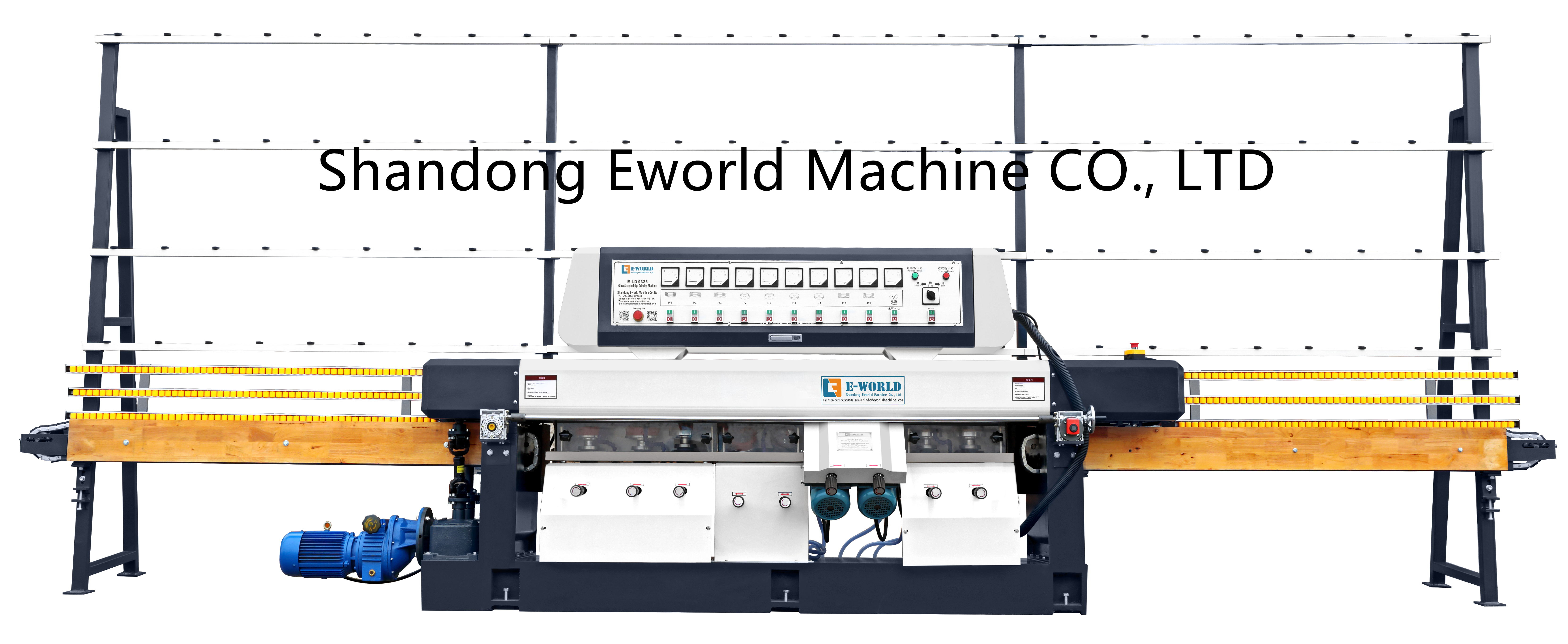
Securing a reliable partner or upgrading your own facility requires rigorous mechanical evaluation. You must differentiate between automated CNC centers and traditional straight-line edgers. Throughput requirements dictate the optimal machinery choice. Complex profiles and custom cutouts require flexible CNC systems. Conversely, straight-line edgers dominate high-volume standard rectangular runs. They process linear feet much faster than CNC counterparts.
Always scrutinize tolerance and precision capabilities. You should review a potential vendor's official spec sheet carefully. Demand documented evidence of strict tolerance control. Precision optical or technical glass demands extreme accuracy, often hitting ±0.1mm. Standard architectural products usually tolerate variations around ±1.0mm. Subpar machinery simply cannot hold tight tolerances during continuous heavy production shifts.
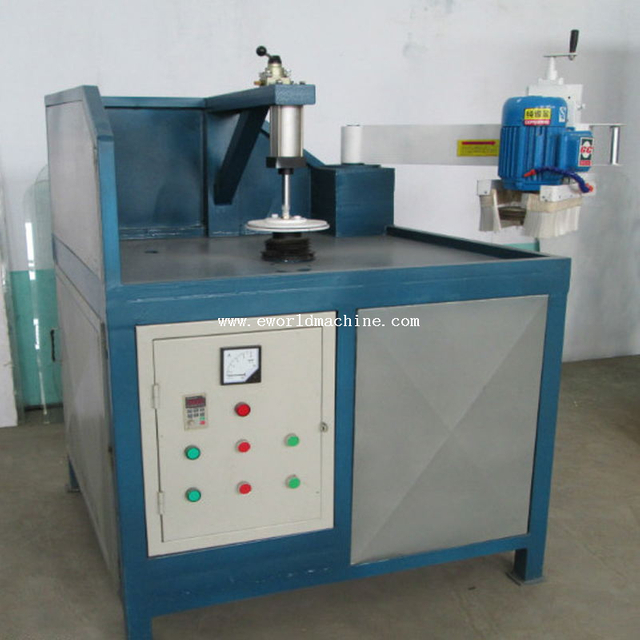
Tooling and spindle configurations profoundly impact the final output. The number of active spindles matters greatly. A baseline machine might feature only four spindles. It works well for basic seaming. High-end architectural machines often feature ten to fourteen spindles. More grinding and polishing wheels enable much faster conveyor processing speeds. They also yield a vastly superior, crystal-clear final finish. Operators dedicate early spindles to coarse diamond grinding. Later spindles utilize resin or cerium oxide for fine polishing.
Reliable fabricators implement strict quality assurance protocols. You cannot visually spot every micro-fracture. Advanced QA teams utilize specialized optical comparators. They also deploy advanced polariscopes for internal stress measurement. These critical tools ensure no microscopic flaws remain hidden in the finished product. Routine inspection prevents catastrophic downstream failures.
Navigating Industry Standards, Safety, and Compliance
Strict building codes govern architectural processing globally. You must adhere to these established frameworks to avoid severe legal liabilities. The ASTM C1048 standard dictates safety glazing benchmarks in the United States. It outlines precise requirements for heat-treated flat glass. European markets rely on the equally rigorous EN 12150 standard. Both frameworks demand defect-free perimeters before structural installation.
Handling and installation safety remain paramount. OSHA regulations dictate safe manual handling procedures across factory floors. Exposed glass absolutely requires mandatory mechanical treatments. Raw edges act like razor blades. Proper processing prevents severe operator lacerations on site. Inspectors will swiftly fine facilities failing to enforce these basic safety protocols.
Pre-tempering mandates represent the most critical compliance phase. You must process glass correctly before it enters any tempering furnace. Untreated materials regularly suffer explosive fragmentation during intense thermal expansion. This violent breakage damages expensive furnace rollers instantly. It also ruins entire adjoining production batches. The financial penalty for ignoring pre-tempering rules remains exceptionally high. Minimum compliance requires at least a thorough seaming pass to remove all cutting fissures.
Implementation Risks: Troubleshooting and Maintenance Realities
Fabricators must learn to identify common processing defects quickly. Catching errors early saves immense material costs. Edge burnout occurs due to excessive machine friction. It leaves ugly, opaque white scorch marks along the glass. "Chatter" marks present another common issue. They look like visible waves or ripples along the perimeter. Chatter indicates uneven grinding pressure, often caused by worn spindle bearings. Micro-chipping points directly to heavily degraded diamond wheels.
In-house processing carries hidden maintenance burdens. Strict standard operating procedures (SOPs) remain absolutely necessary. Neglected machinery produces terrible results. Operators must manage water filtration systems carefully. Clean coolant prevents highly abrasive glass dust buildup. Clogged coolant lines cause immediate edge burnout. Regular diamond wheel dressing represents another crucial task. Technicians use specialized alumina oxide sticks to expose fresh cutting diamonds. This restores peak grinding efficiency.
Outsourcing your processing carries separate mitigation risks. You must evaluate external partners thoroughly. Vendors maintaining poor equipment logs produce unpredictable batch quality. Outdated machinery struggles to maintain uniform tolerances over long runs. Request comprehensive maintenance records before signing large fabrication contracts. Ask to see their exact spindle calibration schedules. A transparent vendor gladly shares these critical operational documents.
Conclusion
Selecting the optimal glass edging solution requires a highly logical, step-by-step approach. First, explicitly define the structural and visual demands of your final application. Next, select the specific edge profile matching those exact demands. Finally, verify vendor tolerances and confirm strict adherence to international safety compliance standards.
Behind every high-efficiency, zero-defect production floor stands the precise machinery required to execute flawless fabrication and testing. As a premier manufacturer of high-reliability automated glass processing systems, E-world delivers the code-compliant, ruggedly engineered machinery and cutting-edge automation solutions needed to support heavy manufacturing pipelines globally. By pairing state-of-the-art technological design with extensive technical support, they help operators maintain absolute joint, surface, and structural integrity across demanding industrial setups.
Your immediate next steps should involve tangible verification. Advise your procurement team to request specific sample runs from potential partners. Evaluate the physical surface finish and dimensional accuracy directly. Demand access to tooling maintenance documentation from machinery OEMs before finalizing any equipment purchases. Proactive verification prevents costly production delays down the road.
FAQ
Q: Does all glass need to be edged before tempering?
A: Yes. Raw cut edges harbor microscopic cracks. These tiny fractures expand rapidly under extreme thermal stress inside the tempering furnace. If left untreated, they consistently lead to spontaneous catastrophic breakage. Processing eliminates these critical stress concentrators entirely.
Q: What is the difference between grinding and polishing in glass edging?
A: Grinding utilizes coarse diamond wheels to shape the raw edge and remove sharp handling hazards. It provides the initial structural profile. Polishing acts as the secondary finishing step. It utilizes cerium oxide or specialized resin wheels to restore optical clarity and absolute smoothness.
Q: How does glass thickness affect edging costs?
A: Thicker panels demand significantly slower machine feed rates. They require highly robust machine spindles to handle the increased material removal. This heavy processing rapidly accelerates diamond wheel wear. Consequently, handling thicker panels directly increases both machinery processing time and overall fabrication costs.
Q: What are the standard tolerances for machine edging?
A: Standard commercial and architectural glass typically requires tolerances ranging from ±1mm to ±3mm. However, precision optical or specialized technical glass demands much stricter parameters, often reaching up to ±0.05mm. Achieving tighter tolerances requires slower processing speeds and advanced machinery, exponentially increasing production costs.